With COVID-19 still requiring remote working, companies that effectively on-board new workers retain their workers longer, have better worker performance, and increase their profits by almost 100 percent, according to the U.S. Chamber of Commerce. However, there are many considerations that companies should take during this important process.
For remote orientations, a welcome package that discusses the company’s products or services can be emailed to attendees prior to the live introduction. It’s also imperative that essential employees for the new hires (training and supervisors, for example) and existing employees who they will be working with are on the virtual meeting for introductions.
Other considerations include maintaining a sense of professionalism. If a company has a dress code, training managers should serve as an example by dressing appropriately and communicating the requirement to new hires. This also can apply to the physical background of remote workers – having a professional-looking environment with muted colors.
Equip Workers With Varied Communication Tools
While almost everyone uses email to communicate, Harvard Business Review (HBR) suggests that email should not be the sole method of communication for remote workers. Along with team communication platforms, video conferencing benefits workers because communicating with body language helps normalize the remote work experience. Video conferencing with recording capabilities also can be used for online training so that employees may access this resource at their own convenience.
Managing Virtual Communication
Regardless of how virtual employees communicate, there needs to be some structure to find the right balance for efficiency. Examples could include using instant messages for urgent but simple communication needs. When it comes to video conferencing, consider touching base for 10 to 15 minutes once a day for a check-in or feedback session. Determining communication frequency depends on when workers work (different time zones, staggered shifts, etc.) and what’s effective for managers and employees.
Schedule a check-in phone call – either once a day or perhaps once in the morning and once in the late afternoon. It can be modified depending on the individual or the type of worker, be it a call with a single employee or an entire group if they are used to working together.
HBR says that workers are heavily influenced on how to deal with abrupt changes or crises based on their leaders’ actions. Whether a manager is calm and collected or anxious and not in control, those they are supervising will act similarly. Regardless of the situation, managers who empathize with feelings of uncertainty and give verbal encouragement will impart a sense of confidence to the entire team.
Regardless of how social a person is during office hours, the lack of morning greetings, break room conversations, water cooler chat, and saying goodbye when leaving the office reinforces the isolation of working remotely – and that can affect anyone.
Therefore, weaving in time for employees to build rapport is also recommended by HBR. Whether it’s going around virtually to ask how everyone’s weekend was, or having the company deliver a meal to remote workers for a virtual office party, it’s been reported that these types of activities relieve feelings of isolation and garner goodwill with the company.
Businesses that take the appropriate steps to build and develop a balanced remote workforce can survive and thrive, but only by adapting to the very different demands of working virtually.
How to Effectively On-board & Train Employees Virtually
November 1, 2020 · Blog, General Business News
⏱ 3 min read
With COVID-19 still requiring remote working, companies that effectively on-board new workers retain their workers longer, have better worker performance, and increase their profits by almost 100 percent, according to the U.S. Chamber of Commerce. However, there are many considerations that companies should take during this important process.
For remote orientations, a welcome package that discusses the company’s products or services can be emailed to attendees prior to the live introduction. It’s also imperative that essential employees for the new hires (training and supervisors, for example) and existing employees who they will be working with are on the virtual meeting for introductions.
Other considerations include maintaining a sense of professionalism. If a company has a dress code, training managers should serve as an example by dressing appropriately and communicating the requirement to new hires. This also can apply to the physical background of remote workers – having a professional-looking environment with muted colors.
Equip Workers With Varied Communication Tools
While almost everyone uses email to communicate, Harvard Business Review (HBR) suggests that email should not be the sole method of communication for remote workers. Along with team communication platforms, video conferencing benefits workers because communicating with body language helps normalize the remote work experience. Video conferencing with recording capabilities also can be used for online training so that employees may access this resource at their own convenience.
Managing Virtual Communication
Regardless of how virtual employees communicate, there needs to be some structure to find the right balance for efficiency. Examples could include using instant messages for urgent but simple communication needs. When it comes to video conferencing, consider touching base for 10 to 15 minutes once a day for a check-in or feedback session. Determining communication frequency depends on when workers work (different time zones, staggered shifts, etc.) and what’s effective for managers and employees.
Schedule a check-in phone call – either once a day or perhaps once in the morning and once in the late afternoon. It can be modified depending on the individual or the type of worker, be it a call with a single employee or an entire group if they are used to working together.
HBR says that workers are heavily influenced on how to deal with abrupt changes or crises based on their leaders’ actions. Whether a manager is calm and collected or anxious and not in control, those they are supervising will act similarly. Regardless of the situation, managers who empathize with feelings of uncertainty and give verbal encouragement will impart a sense of confidence to the entire team.
Regardless of how social a person is during office hours, the lack of morning greetings, break room conversations, water cooler chat, and saying goodbye when leaving the office reinforces the isolation of working remotely – and that can affect anyone.
Therefore, weaving in time for employees to build rapport is also recommended by HBR. Whether it’s going around virtually to ask how everyone’s weekend was, or having the company deliver a meal to remote workers for a virtual office party, it’s been reported that these types of activities relieve feelings of isolation and garner goodwill with the company.
Businesses that take the appropriate steps to build and develop a balanced remote workforce can survive and thrive, but only by adapting to the very different demands of working virtually.
These articles provide general information on tax, accounting, and financial topics for small businesses and individuals. They are educational in nature and are not specific legal, accounting, financial, tax, or other professional advice, and should not be relied upon as such. This content was prepared by Service2Client and may have been reviewed or edited by the website owner for accuracy and compliance. Look for a trust mark below for verification details. No representation is made that any approach described will achieve a particular result, and no regulatory or professional body has reviewed or endorsed this content. Because each situation is different, readers should consult a qualified professional about their specific circumstances before acting. Images accompanying these articles are protected by copyright and may not be copied or reused.
National Suicide Hotline Designation Act of 2020 (S 2661) – Introduced by Sen. Cory Gardner (R-CO) on Oct. 22, 2019, this bill requires the Federal Communications Commission to designate 988 as the universal telephone number for national suicide prevention and mental health crisis hotline. It also directs the Department of Health and Human Services to provide access to competent, specialized services for high-risk populations such as LGBTQ youth; minorities; and people who live in rural areas. The Act was passed in the Senate in May, the House in September, and was signed into law on Oct. 17.
Savanna’s Act (S 227) – Named in memory of Savanna LaFontaine-Greywind, a young woman brutally murdered in Fargo in 2017. This legislation addresses violence against the most vulnerable members of the Native American community via better response protocols for missing and murdered cases, and improved access to data and reporting statistics on missing and murdered native women. The Act was introduced by Sen. Lisa Murkowski (R-AK) on Jan. 25, 2019. The bill passed in the Senate in March, the House in September, and was signed into law by the President on Oct. 10.
Not Invisible Act of 2019 (S 982) – This bill accompanies Savanna’s Act by authorizing coordination of efforts between the Department of the Interior and the Bureau of Indian Affairs to reduce violent crime on Indian lands and against Indians. Specifically, the bill requires the joint commission to collaborate on prevention efforts, grants, and programs related to missing Indians, and the murder and human trafficking of Indians. The bill was introduced by Catherine Cortez Masto (D-NV) on April 2, 2019. It passed in the Senate in March, the House in September, and was signed into law by the President on Oct. 10.
Commander John Scott Hannon Veterans Mental Health Care Improvement Act of 2019 (S 1785) – This bill was introduced by Sen. Jon Tester (D-MT) on March 13, 2019. It is designed to improve transition assistance, mental health care, care for women veterans, and telehealthcare provided by the Department of Veterans Affairs. Among other provisions, this legislation requires the VA to submit a plan for mental health care for veterans during the first year after discharge or release from active military, naval or air service. It also mandates that the Department of Defense (DOD) and VA jointly review and report on the records of each former member of the Armed Forces who committed suicide within one year of separation in the prior five years before this bill was passed. The bill passed in the Senate in August, the House in September and was enacted on Oct. 17.
America’s Conservation Enhancement Act (S 3051) – Introduced by Sen. John Barrasso (R-WY) on Dec. 12, 2019, this legislation aims to restore wetlands and wildlife populations. Specifically, the bill reauthorizes funding for the North American Wetlands Conservation Act (NAWCA) at $60 million a year until 2025. The NAWCA includes a voluntary matching grant provision that receives a $3 match from program partners, such as Ducks Unlimited, for every dollar spent by the federal government. Since first enacted in 1989, The NAWCA has conserved more than 30 million acres and created an average of 7,500 new jobs a year. This bill has passed in the House and the Senate and is awaiting the President’s signature.
Dial 9-8-8 for a Mental Health Crisis; Enforcement Against Violence in the Native American Community; and Enhanced Protections for Veterans and Wildlife
November 1, 2020 · Blog, Congress at Work
⏱ 3 min read
National Suicide Hotline Designation Act of 2020 (S 2661) – Introduced by Sen. Cory Gardner (R-CO) on Oct. 22, 2019, this bill requires the Federal Communications Commission to designate 988 as the universal telephone number for national suicide prevention and mental health crisis hotline. It also directs the Department of Health and Human Services to provide access to competent, specialized services for high-risk populations such as LGBTQ youth; minorities; and people who live in rural areas. The Act was passed in the Senate in May, the House in September, and was signed into law on Oct. 17.
Savanna’s Act (S 227) – Named in memory of Savanna LaFontaine-Greywind, a young woman brutally murdered in Fargo in 2017. This legislation addresses violence against the most vulnerable members of the Native American community via better response protocols for missing and murdered cases, and improved access to data and reporting statistics on missing and murdered native women. The Act was introduced by Sen. Lisa Murkowski (R-AK) on Jan. 25, 2019. The bill passed in the Senate in March, the House in September, and was signed into law by the President on Oct. 10.
Not Invisible Act of 2019 (S 982) – This bill accompanies Savanna’s Act by authorizing coordination of efforts between the Department of the Interior and the Bureau of Indian Affairs to reduce violent crime on Indian lands and against Indians. Specifically, the bill requires the joint commission to collaborate on prevention efforts, grants, and programs related to missing Indians, and the murder and human trafficking of Indians. The bill was introduced by Catherine Cortez Masto (D-NV) on April 2, 2019. It passed in the Senate in March, the House in September, and was signed into law by the President on Oct. 10.
Commander John Scott Hannon Veterans Mental Health Care Improvement Act of 2019 (S 1785) – This bill was introduced by Sen. Jon Tester (D-MT) on March 13, 2019. It is designed to improve transition assistance, mental health care, care for women veterans, and telehealthcare provided by the Department of Veterans Affairs. Among other provisions, this legislation requires the VA to submit a plan for mental health care for veterans during the first year after discharge or release from active military, naval or air service. It also mandates that the Department of Defense (DOD) and VA jointly review and report on the records of each former member of the Armed Forces who committed suicide within one year of separation in the prior five years before this bill was passed. The bill passed in the Senate in August, the House in September and was enacted on Oct. 17.
America’s Conservation Enhancement Act (S 3051) – Introduced by Sen. John Barrasso (R-WY) on Dec. 12, 2019, this legislation aims to restore wetlands and wildlife populations. Specifically, the bill reauthorizes funding for the North American Wetlands Conservation Act (NAWCA) at $60 million a year until 2025. The NAWCA includes a voluntary matching grant provision that receives a $3 match from program partners, such as Ducks Unlimited, for every dollar spent by the federal government. Since first enacted in 1989, The NAWCA has conserved more than 30 million acres and created an average of 7,500 new jobs a year. This bill has passed in the House and the Senate and is awaiting the President’s signature.
Disclaimer
These articles provide general information on tax, accounting, and financial topics for small businesses and individuals. They are educational in nature and are not specific legal, accounting, financial, tax, or other professional advice, and should not be relied upon as such. This content was prepared by Service2Client and may have been reviewed or edited by the website owner for accuracy and compliance. Look for a trust mark below for verification details. No representation is made that any approach described will achieve a particular result, and no regulatory or professional body has reviewed or endorsed this content. Because each situation is different, readers should consult a qualified professional about their specific circumstances before acting. Images accompanying these articles are protected by copyright and may not be copied or reused.
Imagine using your mind to control machines, or your employer reading how you feel in real-time from a dashboard? This is the future of BCI technology.
Do we really need this technology? What are the potential benefits and possible implications of this emerging field?
What is BCI?
Brain-Computer Interface (BCI) is also referred to as a Brain-Machine Interface or Neural Interface.
Wikipedia defines BCI as a direct communication pathway between an enhanced or wired brain and an external device.
The brain is said to process billions of bits of information per second and runs on electrical signals that could control electronics, and BCI attempts to create this connection.
The BCI technology that connects internally (invasive BCI) or externally (non-invasive BCI) to the brain is meant to read brain activity and process it to information and even transmit information back to the brain.
Although this research began in the 1970s, the first neuroprosthetic device to be implanted in humans was done in the mid-1990s. Currently, large tech firms and a good number of startups are already working on producing cheaper, safer, and more accurate BCIs.
The hype around BCI has been pushed by advanced modern computing, data science, machine learning, and neural networks. A combination of the brain and artificial intelligence would surpass human capability.
Applications of BCI
BCI is already used in medicine to measure brain signals for medical applications such as cochlear implants, which are used by individuals with hearing deficits. These implants translate audio signals to electric pulses that are sent directly to the brain.
Other uses in medicine include detection and diagnosis, such as forecasting and detecting abnormal brain structure and other brain disorders such as epilepsy.
According to researchers, BCI could even replace lost functions, such as speaking or moving and general control of the body. This is beneficial to people with different forms of longstanding paralysis, such as that caused by a stroke.
BCI would also help improve the quality of life for elderly patients, especially due to changes in memory and brain function as a result of aging. Assistive BCI would help those suffering from motor control impairments to control home appliances in a smart home.
BCI in Business
Although initially meant to help in medical issues, other applications of BCI are emerging. Several companies and startups are exploring application of BCI not related to medicine. These fields include:
Marketing – to help measure attention levels of commercial and political ads, with an intention to optimize the ads. Companies will benefit from brain data as it will help increase product or service personalization.
Workplace analysis – to help improve performance at work. This is possible using headbands that measure mental fatigue, the cognitive state, stress levels and focus levels. As a result, the work environment would adapt to employee stress levels and thoughts. For drivers operating dangerous machines, BCI will help analyze signals of drowsiness and give an alert or stop the machine to avoid accidents. Employers could use BCI when evaluating, monitoring and even training employees.
Education – to help teachers personalize their interaction with students depending on the students’ ability to grasp concepts.
Entertainment – BCI offers an immersive experience with the ability to control avatars in video games using thoughts. It would be possible to produce games that respond to the mood of players and their attention level, thus creating a personalized experience.
Military – to help in controlling or piloting a swarm of drones.
BCI Challenges
It is reasonable to have technology that improves the quality of life for people who have disabilities. But when it comes to augmenting functions of a physically fit human, this technology raises ethical concerns and debates.
First, who will own the data produced by our brains? We already have cases of personal data generated on the internet that is being sold. How safe would the data be that is generated by BCI; especially considering that BCI is invasive and involves sensitive personal information such as feelings, moods, and emotions.
The thought that a third party can access your personal data without your knowledge brings up questions of privacy. Another person would know exactly how you feel at a given time; and if companies were to roll out the use of BCI, what rights would employees have?
What would happen if the BCI device is hacked? Brain data could be intercepted by hackers who would then know more about you than you’d want to share.
Human augmenting will also give an unfair advantage over those who cannot afford BCIs; and at some point, the efforts to transcend human limitations could be a disaster.
More potential risks include people being controlled, misuse by rulers, psychological harm, unknown long-term mental effects, and physical harm such as brain damage or hemorrhaging in cases of invasive BCI.
The Future of BCI
The BCI technology offers many benefits. But before actual BCI systems reach the market for a consumer applications, the risks and unknowns can’t be ignored. This begs for a plan on ethical and policy issues. Business leaders also should start considering a BCI strategy as well as new BCI business models to balance the potential benefits and address the risks.
Exploring Brain Computer Interface: Tech That Connects to Your Brain
November 1, 2020 · Blog, What’s New in Technology
⏱ 5 min read
Imagine using your mind to control machines, or your employer reading how you feel in real-time from a dashboard? This is the future of BCI technology.
Do we really need this technology? What are the potential benefits and possible implications of this emerging field?
What is BCI?
Brain-Computer Interface (BCI) is also referred to as a Brain-Machine Interface or Neural Interface.
Wikipedia defines BCI as a direct communication pathway between an enhanced or wired brain and an external device.
The brain is said to process billions of bits of information per second and runs on electrical signals that could control electronics, and BCI attempts to create this connection.
The BCI technology that connects internally (invasive BCI) or externally (non-invasive BCI) to the brain is meant to read brain activity and process it to information and even transmit information back to the brain.
Although this research began in the 1970s, the first neuroprosthetic device to be implanted in humans was done in the mid-1990s. Currently, large tech firms and a good number of startups are already working on producing cheaper, safer, and more accurate BCIs.
The hype around BCI has been pushed by advanced modern computing, data science, machine learning, and neural networks. A combination of the brain and artificial intelligence would surpass human capability.
Applications of BCI
BCI is already used in medicine to measure brain signals for medical applications such as cochlear implants, which are used by individuals with hearing deficits. These implants translate audio signals to electric pulses that are sent directly to the brain.
Other uses in medicine include detection and diagnosis, such as forecasting and detecting abnormal brain structure and other brain disorders such as epilepsy.
According to researchers, BCI could even replace lost functions, such as speaking or moving and general control of the body. This is beneficial to people with different forms of longstanding paralysis, such as that caused by a stroke.
BCI would also help improve the quality of life for elderly patients, especially due to changes in memory and brain function as a result of aging. Assistive BCI would help those suffering from motor control impairments to control home appliances in a smart home.
BCI in Business
Although initially meant to help in medical issues, other applications of BCI are emerging. Several companies and startups are exploring application of BCI not related to medicine. These fields include:
Marketing – to help measure attention levels of commercial and political ads, with an intention to optimize the ads. Companies will benefit from brain data as it will help increase product or service personalization.
Workplace analysis – to help improve performance at work. This is possible using headbands that measure mental fatigue, the cognitive state, stress levels and focus levels. As a result, the work environment would adapt to employee stress levels and thoughts. For drivers operating dangerous machines, BCI will help analyze signals of drowsiness and give an alert or stop the machine to avoid accidents. Employers could use BCI when evaluating, monitoring and even training employees.
Education – to help teachers personalize their interaction with students depending on the students’ ability to grasp concepts.
Entertainment – BCI offers an immersive experience with the ability to control avatars in video games using thoughts. It would be possible to produce games that respond to the mood of players and their attention level, thus creating a personalized experience.
Military – to help in controlling or piloting a swarm of drones.
BCI Challenges
It is reasonable to have technology that improves the quality of life for people who have disabilities. But when it comes to augmenting functions of a physically fit human, this technology raises ethical concerns and debates.
First, who will own the data produced by our brains? We already have cases of personal data generated on the internet that is being sold. How safe would the data be that is generated by BCI; especially considering that BCI is invasive and involves sensitive personal information such as feelings, moods, and emotions.
The thought that a third party can access your personal data without your knowledge brings up questions of privacy. Another person would know exactly how you feel at a given time; and if companies were to roll out the use of BCI, what rights would employees have?
What would happen if the BCI device is hacked? Brain data could be intercepted by hackers who would then know more about you than you’d want to share.
Human augmenting will also give an unfair advantage over those who cannot afford BCIs; and at some point, the efforts to transcend human limitations could be a disaster.
More potential risks include people being controlled, misuse by rulers, psychological harm, unknown long-term mental effects, and physical harm such as brain damage or hemorrhaging in cases of invasive BCI.
The Future of BCI
The BCI technology offers many benefits. But before actual BCI systems reach the market for a consumer applications, the risks and unknowns can’t be ignored. This begs for a plan on ethical and policy issues. Business leaders also should start considering a BCI strategy as well as new BCI business models to balance the potential benefits and address the risks.
Disclaimer
These articles provide general information on tax, accounting, and financial topics for small businesses and individuals. They are educational in nature and are not specific legal, accounting, financial, tax, or other professional advice, and should not be relied upon as such. This content was prepared by Service2Client and may have been reviewed or edited by the website owner for accuracy and compliance. Look for a trust mark below for verification details. No representation is made that any approach described will achieve a particular result, and no regulatory or professional body has reviewed or endorsed this content. Because each situation is different, readers should consult a qualified professional about their specific circumstances before acting. Images accompanying these articles are protected by copyright and may not be copied or reused.
We’re living in unprecedented, challenging times. If you’re feeling stressed and scared, you’re not alone. However, there is a way to navigate through all of this uncertainty: gratitude. Studies have shown that keeping in mind the things you’re grateful for on a regular basis not only helps you mentally but also physically, which is something we all need these days.
Gratitude Improves Your Immune System
According to Lisa Aspinwall, Ph.D., a psychology professor at the University of Utah, there’s data to back this up. In one study, researchers compared the immune systems of healthy, first-year law students who were under stress and characterized themselves as optimistic to their more pessimistic classmates. Result: The former maintained a higher number of blood cells, which protect the immune system. Specifically, white blood cells are key players in your immune system and move through blood and tissue looking for foreign invaders (microbes) such as bacteria, viruses, parasites and fungi. When they find them, they launch an immediate attack. Tip: The moment you notice that you’re appreciative of something – the sun is shining, the sky is blue, you have clean water to drink – stop and savor. Bask in the experience.
Gratitude Affects Your Brain
When you’re feeling appreciative, it wires and fires new neural connections to the bliss center and enhances dopamine and serotonin, the neurotransmitters responsible for happiness. Gratitude also reduces fear and anxiety by regulating the stress hormones; and it fosters cognitive restructuring by evoking positive thinking. Tip: When you’re eating, give thanks for the bounty before you. Make mealtimes mindful.
Gratitude Reduces Pain
In the research report, Count Blessings Versus Burdens (2003), patients who kept a gratitude journal reported reduced pain symptoms and were more inclined to work out and cooperate with the treatment procedures. A deeper dive revealed that by regulating the level of dopamine, gratitude fills us with more vitality, which reduced the subjective feelings of pain. Tip: Try keeping a journal. If you think you have nothing to be grateful for, think about all the little things you have. You might find that you’re taking for granted certain abilities or privileges you have that others don’t.
Gratitude Affects Sleep
Studies have shown that receiving and displaying simple acts of kindness activates the hypothalamus, and thereby regulates all bodily mechanisms controlled by the hypothalamus, one of which is sleep. The hypothalamic regulation by gratitude helps us get deeper and healthier sleep, naturally. Tip: Hold the door for a stranger. Let someone have that parking space you both came upon. Share that compliment that’s on the tip of your tongue. To give is to receive. You might just rest easier.
Gratitude Gets Rid of Toxic Emotions
The limbic system is the part of the brain that’s responsible for all emotional experiences. It consists of the thalamus, hypothalamus, amygdala, hippocampus, and cingulate gyrus. Research has shown that the hippocampus and amygdala, the two main sites regulating emotions, memory, and bodily functioning, get activated with feelings of gratitude. Specifically, what we call emotions or feelings are neural activations in the neocortical regions of the brain (Moll et al. 2005). Further, a study conducted on people who were looking for mental health guidance revealed that those who wrote letters of gratitude, in addition to having regular counseling, felt better and recovered sooner. In the other group, people who journaled about their negative feelings felt anxious and depressed. Tip: In addition to journaling, maybe there’s a letter you need to write to someone expressing how you feel, releasing a past hurt. The simple act of writing can be powerful. You don’t even have to send it to feel better.
Right now, when we’re faced with so many unknowns, staying present and giving thanks can do a world of good. Give it a try and see.
We’re living in unprecedented, challenging times. If you’re feeling stressed and scared, you’re not alone. However, there is a way to navigate through all of this uncertainty: gratitude. Studies have shown that keeping in mind the things you’re grateful for on a regular basis not only helps you mentally but also physically, which is something we all need these days.
Gratitude Improves Your Immune System
According to Lisa Aspinwall, Ph.D., a psychology professor at the University of Utah, there’s data to back this up. In one study, researchers compared the immune systems of healthy, first-year law students who were under stress and characterized themselves as optimistic to their more pessimistic classmates. Result: The former maintained a higher number of blood cells, which protect the immune system. Specifically, white blood cells are key players in your immune system and move through blood and tissue looking for foreign invaders (microbes) such as bacteria, viruses, parasites and fungi. When they find them, they launch an immediate attack. Tip: The moment you notice that you’re appreciative of something – the sun is shining, the sky is blue, you have clean water to drink – stop and savor. Bask in the experience.
Gratitude Affects Your Brain
When you’re feeling appreciative, it wires and fires new neural connections to the bliss center and enhances dopamine and serotonin, the neurotransmitters responsible for happiness. Gratitude also reduces fear and anxiety by regulating the stress hormones; and it fosters cognitive restructuring by evoking positive thinking. Tip: When you’re eating, give thanks for the bounty before you. Make mealtimes mindful.
Gratitude Reduces Pain
In the research report, Count Blessings Versus Burdens (2003), patients who kept a gratitude journal reported reduced pain symptoms and were more inclined to work out and cooperate with the treatment procedures. A deeper dive revealed that by regulating the level of dopamine, gratitude fills us with more vitality, which reduced the subjective feelings of pain. Tip: Try keeping a journal. If you think you have nothing to be grateful for, think about all the little things you have. You might find that you’re taking for granted certain abilities or privileges you have that others don’t.
Gratitude Affects Sleep
Studies have shown that receiving and displaying simple acts of kindness activates the hypothalamus, and thereby regulates all bodily mechanisms controlled by the hypothalamus, one of which is sleep. The hypothalamic regulation by gratitude helps us get deeper and healthier sleep, naturally. Tip: Hold the door for a stranger. Let someone have that parking space you both came upon. Share that compliment that’s on the tip of your tongue. To give is to receive. You might just rest easier.
Gratitude Gets Rid of Toxic Emotions
The limbic system is the part of the brain that’s responsible for all emotional experiences. It consists of the thalamus, hypothalamus, amygdala, hippocampus, and cingulate gyrus. Research has shown that the hippocampus and amygdala, the two main sites regulating emotions, memory, and bodily functioning, get activated with feelings of gratitude. Specifically, what we call emotions or feelings are neural activations in the neocortical regions of the brain (Moll et al. 2005). Further, a study conducted on people who were looking for mental health guidance revealed that those who wrote letters of gratitude, in addition to having regular counseling, felt better and recovered sooner. In the other group, people who journaled about their negative feelings felt anxious and depressed. Tip: In addition to journaling, maybe there’s a letter you need to write to someone expressing how you feel, releasing a past hurt. The simple act of writing can be powerful. You don’t even have to send it to feel better.
Right now, when we’re faced with so many unknowns, staying present and giving thanks can do a world of good. Give it a try and see.
These articles provide general information on tax, accounting, and financial topics for small businesses and individuals. They are educational in nature and are not specific legal, accounting, financial, tax, or other professional advice, and should not be relied upon as such. This content was prepared by Service2Client and may have been reviewed or edited by the website owner for accuracy and compliance. Look for a trust mark below for verification details. No representation is made that any approach described will achieve a particular result, and no regulatory or professional body has reviewed or endorsed this content. Because each situation is different, readers should consult a qualified professional about their specific circumstances before acting. Images accompanying these articles are protected by copyright and may not be copied or reused.
By the end of September, the nation had recorded over a quarter-million cases of COVID-19 and nearly 60,000 deaths in nursing homes that were attributed to the disease. The recent pandemic offers yet another reason why more than 90 percent of seniors say they want to grow old in their homes rather than move into a senior housing facility.
But just how feasible is that goal, from a financial perspective? Much depends on how independently you can live for the rest of your life. That is something we cannot plan. Even elderly people with an excellent gene pool and no known health conditions can experience a fall or other accident that could render them helpless. And the older you get, the higher the risk of cognitive decline, which can make it unsafe to live alone.
However, you might still be able to live out your golden years in your own home if you can afford to pay for in-home care. Each year, Genworth Financial publishes a Cost of Care Survey that examines the cost of various types of long-term care. However, when you break down the assumptions, you might find the survey’s cost estimations are lower than what many people actually pay.
For example, the average fee for homemaker services (household chores, prepare meals, run errands, accompany to appointments) is $22.50 an hour. For a home health aide (help with bathing, dressing, toileting and simple first aid) the average hourly wage is $23. Depending on your location, you could pay more for a company that employs home workers or pay less for independent caregivers. Be aware that if you choose the independent route, you’ll have to vet abilities, trustworthiness and schedule your own back-up resources if they don’t show up for some reason.
However, according to the Genworth report, the average daily rate for a homemaker is only $141, or $4,290 a month. That breaks down to about six hours a day. What happens when you reach a point where it’s unsafe for you to mill about the house by yourself because you might leave the stove on, or you might fall and there’s no one to help. If you pay a caregiver to stay with you 16 waking hours a day, that would cost you $360 per diem, or about $11,000 a month.
If you don’t sleep well and tend to have to use the restroom at night, you might need to pay for a night shift caregiver just to make sure you get around OK. That means 24-hour care will run you more than $16,000 a month, or $195,000 a year – and that’s in today’s dollars.
If you’re planning on in-home care 10 to 15 years from now, those rates will probably be higher.
There are a couple of other issues to note. First, you don’t need to be completely incapacitated to require 24-hour care. It could be as simple as mild but gradual progressive dementia; a mobility issue; or fear of living alone after a spouse dies. Also, if a couple is living comfortably at home with 24-hour care, that expense probably won’t go away if one spouse dies – but household income will probably decrease.
There are alternative ways you might consider that would allow you to stay home throughout your elder years, and the earlier you plan for them the better they will work out. First of all, be nice to your grown children. Not only might you prefer to move in with them or they move in with you, but if things don’t work out, they will likely be the ones to determine where you live out your golden years.
Second, consider your housing situation and if you can negotiate room and board to one or more caregivers in exchange for their help. You might also consider cohabitating with an elderly friend or family member to help share caregiver fees, and perhaps eliminate the need for excess hours a day. Better yet, consider moving in together with several friends to help spread out the costs and improve your chances that some seniors will be less informed than others.
Since 2010, on average more than 10,000 Baby Boomers turned age 65 per day and by the year 2030, all Baby Boomers will be 65 or older. Among them, 52 percent will require long-term care in their lifetime. If you want to remain at home but worry about the cost of caregiving, you’ll have plenty of housemates from which to choose.
A Realistic Picture: Will You Be Able to Afford In-Home Elder Care?
November 1, 2020 · Blog, Financial Planning
⏱ 4 min read
By the end of September, the nation had recorded over a quarter-million cases of COVID-19 and nearly 60,000 deaths in nursing homes that were attributed to the disease. The recent pandemic offers yet another reason why more than 90 percent of seniors say they want to grow old in their homes rather than move into a senior housing facility.
But just how feasible is that goal, from a financial perspective? Much depends on how independently you can live for the rest of your life. That is something we cannot plan. Even elderly people with an excellent gene pool and no known health conditions can experience a fall or other accident that could render them helpless. And the older you get, the higher the risk of cognitive decline, which can make it unsafe to live alone.
However, you might still be able to live out your golden years in your own home if you can afford to pay for in-home care. Each year, Genworth Financial publishes a Cost of Care Survey that examines the cost of various types of long-term care. However, when you break down the assumptions, you might find the survey’s cost estimations are lower than what many people actually pay.
For example, the average fee for homemaker services (household chores, prepare meals, run errands, accompany to appointments) is $22.50 an hour. For a home health aide (help with bathing, dressing, toileting and simple first aid) the average hourly wage is $23. Depending on your location, you could pay more for a company that employs home workers or pay less for independent caregivers. Be aware that if you choose the independent route, you’ll have to vet abilities, trustworthiness and schedule your own back-up resources if they don’t show up for some reason.
However, according to the Genworth report, the average daily rate for a homemaker is only $141, or $4,290 a month. That breaks down to about six hours a day. What happens when you reach a point where it’s unsafe for you to mill about the house by yourself because you might leave the stove on, or you might fall and there’s no one to help. If you pay a caregiver to stay with you 16 waking hours a day, that would cost you $360 per diem, or about $11,000 a month.
If you don’t sleep well and tend to have to use the restroom at night, you might need to pay for a night shift caregiver just to make sure you get around OK. That means 24-hour care will run you more than $16,000 a month, or $195,000 a year – and that’s in today’s dollars.
If you’re planning on in-home care 10 to 15 years from now, those rates will probably be higher.
There are a couple of other issues to note. First, you don’t need to be completely incapacitated to require 24-hour care. It could be as simple as mild but gradual progressive dementia; a mobility issue; or fear of living alone after a spouse dies. Also, if a couple is living comfortably at home with 24-hour care, that expense probably won’t go away if one spouse dies – but household income will probably decrease.
There are alternative ways you might consider that would allow you to stay home throughout your elder years, and the earlier you plan for them the better they will work out. First of all, be nice to your grown children. Not only might you prefer to move in with them or they move in with you, but if things don’t work out, they will likely be the ones to determine where you live out your golden years.
Second, consider your housing situation and if you can negotiate room and board to one or more caregivers in exchange for their help. You might also consider cohabitating with an elderly friend or family member to help share caregiver fees, and perhaps eliminate the need for excess hours a day. Better yet, consider moving in together with several friends to help spread out the costs and improve your chances that some seniors will be less informed than others.
Since 2010, on average more than 10,000 Baby Boomers turned age 65 per day and by the year 2030, all Baby Boomers will be 65 or older. Among them, 52 percent will require long-term care in their lifetime. If you want to remain at home but worry about the cost of caregiving, you’ll have plenty of housemates from which to choose.
Disclaimer
These articles provide general information on tax, accounting, and financial topics for small businesses and individuals. They are educational in nature and are not specific legal, accounting, financial, tax, or other professional advice, and should not be relied upon as such. This content was prepared by Service2Client and may have been reviewed or edited by the website owner for accuracy and compliance. Look for a trust mark below for verification details. No representation is made that any approach described will achieve a particular result, and no regulatory or professional body has reviewed or endorsed this content. Because each situation is different, readers should consult a qualified professional about their specific circumstances before acting. Images accompanying these articles are protected by copyright and may not be copied or reused.
The $1,200 stimulus check sent out to individuals had mixed impacts on our economy, based on academic research, including by the University of California-Davis. For recipients with $3,000 or more in their bank accounts, there was no positive impact on the economy. However, for recipients with bank account balances up to $500, they spent 44.5 percent of their check, on average, within 10 days of receiving the stimulus check.
The first stimulus check was part of the CARES Act, which guided how the checks were issued:
The IRS began with those who filed 2018 and/or 2019 taxes, and looked at their adjusted gross income (AGI) as a starting point.
For “eligible individuals,” they received a full $1,200 check if they earned up to $75,000. If they earned between $75,000 and $99,000, the payment would be reduced by $1 for every $20 earned beyond $75,000. If they earned $99,000 or more, they would not be eligible for a stimulus check.
For “head of household filers,” they would get a $1,200 check for earnings up to $112,500. For earnings up to $136,500, the payment would be reduced by $1 for every additional $20 earned. If they earned $136,500 or more, they would not be eligible for a stimulus check.
For “married couples filing joint returns,” they would get a $1,200 check for earnings up to $150,000. For earnings up to $198,000, the payment would be reduced by $1 for every additional $20 earned. If they earned $198,000 or more, they would not be eligible for a stimulus check.
Depending on the filer, if they had a qualifying child 16 years or younger who they claimed on their tax return, each child could qualify for $500 in additional stimulus funds.
While the language is still subject to change because there’s no legislation passed and signed into law, uncertainty still exists regarding proposals for a second stimulus check/plan.
One proposal includes increasing the payments for dependents to $1,000 from $500. Another proposal includes casting a wider net for dependents – college students and/or older parents who reside in the same household, giving $500 for this category.
A September report by the National Bureau of Economic Research (NBER) shows how consumers across the income distribution levels handled their stimulus checks.
The NBER study found that once a stimulus payment was received, the typical individual spent $250 per day, compared to $90 a day before stimulus checks were available to recipients. Within 10 days, more than 20 percent of each dollar was spent. However, the report found different activity depending on the respondent’s income level and job security.
The study found that for recipients with checking accounts with more than a $4,000 balance, only 11 cents of stimulus money was spent in the month following receipt of their check. Looking a month out from when a stimulus check was received, those who had more assets were far less likely to spend their check quickly. However, for respondents with bank account balances of less than $100, more than 40 percent of their stimulus check was spent within one month.
These consumer expenditures offer a good indicator of how spending from another stimulus check would impact the economy. As the U.S. Department of Labor and U.S. Bureau of Labor Statistics show for 2019, there are different spending trends for each quintile or income strata (20 percent per quintile) for different income levels.
During 2019, each quintile increased, with the bottom quintile’s income growing by 6.6 percent, compared to the top quintile’s income growing by 6.7 percent. Quintiles two through four saw increases of income between 3.2 percent and 4.9 percent.
For reference, the 2019 “lower income bounds” are as follows:
Second quintile: $22,488
Third quintile: $43,432
Fourth quintile: $72,234
Fifth quintile: $120,729
“Average annual expenditures” for 2019 were $63,036 for “all consumer units,” or 3 percent more than 2018. A consumer unit is defined as either a family, an individual living on his or her own, and/or sharing costs with others or maintaining a residence with other individuals, but retaining the financial means to take care of themselves.
During 2019, while every quintile increased spending, the bottom quintile spent 8.6 percent more, versus the second quintile increasing their spending by 1.3 percent. All quintiles saw growth in spending for food at home, housing, transportation and cash contributions. Except for the second quintile, healthcare expenditures increased. For the food away from home category, the first, third and fifth quintiles increased spending. For apparel and services, the first, third and fourth quintiles saw increased spending.
Based on analysis conducted after stimulus checks were issued to individuals and families, sending out an additional stimulus check to those in the lower to mid-quintiles, along with promoting job growth and a strengthening job market, looks like the best way to help the economy recover.
How Would a Second Stimulus Check Impact Markets?
November 1, 2020 · Blog, Stock Market News
⏱ 4 min read
The $1,200 stimulus check sent out to individuals had mixed impacts on our economy, based on academic research, including by the University of California-Davis. For recipients with $3,000 or more in their bank accounts, there was no positive impact on the economy. However, for recipients with bank account balances up to $500, they spent 44.5 percent of their check, on average, within 10 days of receiving the stimulus check.
The first stimulus check was part of the CARES Act, which guided how the checks were issued:
The IRS began with those who filed 2018 and/or 2019 taxes, and looked at their adjusted gross income (AGI) as a starting point.
For “eligible individuals,” they received a full $1,200 check if they earned up to $75,000. If they earned between $75,000 and $99,000, the payment would be reduced by $1 for every $20 earned beyond $75,000. If they earned $99,000 or more, they would not be eligible for a stimulus check.
For “head of household filers,” they would get a $1,200 check for earnings up to $112,500. For earnings up to $136,500, the payment would be reduced by $1 for every additional $20 earned. If they earned $136,500 or more, they would not be eligible for a stimulus check.
For “married couples filing joint returns,” they would get a $1,200 check for earnings up to $150,000. For earnings up to $198,000, the payment would be reduced by $1 for every additional $20 earned. If they earned $198,000 or more, they would not be eligible for a stimulus check.
Depending on the filer, if they had a qualifying child 16 years or younger who they claimed on their tax return, each child could qualify for $500 in additional stimulus funds.
While the language is still subject to change because there’s no legislation passed and signed into law, uncertainty still exists regarding proposals for a second stimulus check/plan.
One proposal includes increasing the payments for dependents to $1,000 from $500. Another proposal includes casting a wider net for dependents – college students and/or older parents who reside in the same household, giving $500 for this category.
A September report by the National Bureau of Economic Research (NBER) shows how consumers across the income distribution levels handled their stimulus checks.
The NBER study found that once a stimulus payment was received, the typical individual spent $250 per day, compared to $90 a day before stimulus checks were available to recipients. Within 10 days, more than 20 percent of each dollar was spent. However, the report found different activity depending on the respondent’s income level and job security.
The study found that for recipients with checking accounts with more than a $4,000 balance, only 11 cents of stimulus money was spent in the month following receipt of their check. Looking a month out from when a stimulus check was received, those who had more assets were far less likely to spend their check quickly. However, for respondents with bank account balances of less than $100, more than 40 percent of their stimulus check was spent within one month.
These consumer expenditures offer a good indicator of how spending from another stimulus check would impact the economy. As the U.S. Department of Labor and U.S. Bureau of Labor Statistics show for 2019, there are different spending trends for each quintile or income strata (20 percent per quintile) for different income levels.
During 2019, each quintile increased, with the bottom quintile’s income growing by 6.6 percent, compared to the top quintile’s income growing by 6.7 percent. Quintiles two through four saw increases of income between 3.2 percent and 4.9 percent.
For reference, the 2019 “lower income bounds” are as follows:
Second quintile: $22,488
Third quintile: $43,432
Fourth quintile: $72,234
Fifth quintile: $120,729
“Average annual expenditures” for 2019 were $63,036 for “all consumer units,” or 3 percent more than 2018. A consumer unit is defined as either a family, an individual living on his or her own, and/or sharing costs with others or maintaining a residence with other individuals, but retaining the financial means to take care of themselves.
During 2019, while every quintile increased spending, the bottom quintile spent 8.6 percent more, versus the second quintile increasing their spending by 1.3 percent. All quintiles saw growth in spending for food at home, housing, transportation and cash contributions. Except for the second quintile, healthcare expenditures increased. For the food away from home category, the first, third and fifth quintiles increased spending. For apparel and services, the first, third and fourth quintiles saw increased spending.
Based on analysis conducted after stimulus checks were issued to individuals and families, sending out an additional stimulus check to those in the lower to mid-quintiles, along with promoting job growth and a strengthening job market, looks like the best way to help the economy recover.
Disclaimer
These articles provide general information on tax, accounting, and financial topics for small businesses and individuals. They are educational in nature and are not specific legal, accounting, financial, tax, or other professional advice, and should not be relied upon as such. This content was prepared by Service2Client and may have been reviewed or edited by the website owner for accuracy and compliance. Look for a trust mark below for verification details. No representation is made that any approach described will achieve a particular result, and no regulatory or professional body has reviewed or endorsed this content. Because each situation is different, readers should consult a qualified professional about their specific circumstances before acting. Images accompanying these articles are protected by copyright and may not be copied or reused.
An SSL (Secure Sockets Layer) certificate used is to encrypt traffic between systems, such as client and server. This is done to protect data that might include confidential information, Social Security numbers, and personal information.
SSL involves the use of a pair of the public (available to anyone) and private (exclusive to destination server) keys to handle the encryption and decryption process.
You might have come across the term TLS (Transport Layer Security) – a protocol that is an improved version of the SSL. The two terms are used interchangeably, but this article will use SSL, as it’s the more popular term.
Why Is SSL Important
Threats to data security and privacy keep increasing as more functions move online. If you own a business website, it’s no longer optional to have an SSL certificate. The main reason for this is to protect users from the man in the middle attacks. And it comes with SEO benefits, too. Search engines such as Google check site security as one of the essential factors in SEO ranking. Some web browsers like Chrome also alert users if a site is not secure – and this could keep some people away from your site.
Other benefits of an SSL certificate are that it serves as a proof of identity (authentication); it is an assurance of information privacy, and it also assures users of information integrity. This is especially crucial if your web application deals with financial or electronic commerce transactions.
SSL Best Practice
Although SSL is secure, attackers take advantage of installation and configuration loopholes to steal data. Because of such vulnerabilities, it’s not enough to install the SSL certificate.
Below are basic SSL best practices that will help ensure the security of data in transit.
Understand the importance of SSL certificates. Previously, SSLs were common in large organizations and financial institutions. Today, even small businesses have moved most if not all of their transactions online. Suppose a certificate expires or is compromised – your business risks loss of revenue as well as a damaged reputation.
Know the SSL certificate your site requires, and get the one that is appropriate for your site. There are three types of SSL certificates:
Organization Validation SSL certificate – guarantees the legitimacy of an association;
Extended Validation SSL certificate – Similar to OV SSL, but this requires more documentation regarding the ownership of the certificate.
Purchase the certificate from a reputable certification authority. When selecting a certificate authority entity, check its reputation, popularity, response to security and compliance problems, support, reviews, and if it offers the certificate your business needs.
Proper server configuration will ensure you are using the latest security protocols, secure cipher suites, complete certificate chains, and a Diffie-Hellman Key (DHE) with at least 2048-bit security (lower bits can be vulnerable).
Protect your private keys. Keep the private key as secure as possible. Do this by generating the key in a safe and trusted environment; revoke keys if an employee with access leaves your company; renew the certificate at least yearly; and if you think the private key has been compromised, always generate a new key.
Apply website application best practices. Even with best SSL practices, ensure your web application follows best practices, such as using secure cookies, eliminating mixed content, and evaluating third-party code.
Takeaway Tips
There are two important points that you shouldn’t forget. One, SSLs are secure but also have vulnerabilities that can be exploited; therefore, ensure proper configurations and follow best practices. Two, lack of an SSL certificate affects your SERP ranking, which in turn affects your brand credibility and increases the site bounce rate.
The Importance of an SSL Certificate and Best Practices
October 1, 2020 · Blog, Guest Post of the Month
⏱ 4 min read
What is an SSL Certificate?
An SSL (Secure Sockets Layer) certificate used is to encrypt traffic between systems, such as client and server. This is done to protect data that might include confidential information, Social Security numbers, and personal information.
SSL involves the use of a pair of the public (available to anyone) and private (exclusive to destination server) keys to handle the encryption and decryption process.
You might have come across the term TLS (Transport Layer Security) – a protocol that is an improved version of the SSL. The two terms are used interchangeably, but this article will use SSL, as it’s the more popular term.
Why Is SSL Important
Threats to data security and privacy keep increasing as more functions move online. If you own a business website, it’s no longer optional to have an SSL certificate. The main reason for this is to protect users from the man in the middle attacks. And it comes with SEO benefits, too. Search engines such as Google check site security as one of the essential factors in SEO ranking. Some web browsers like Chrome also alert users if a site is not secure – and this could keep some people away from your site.
Other benefits of an SSL certificate are that it serves as a proof of identity (authentication); it is an assurance of information privacy, and it also assures users of information integrity. This is especially crucial if your web application deals with financial or electronic commerce transactions.
SSL Best Practice
Although SSL is secure, attackers take advantage of installation and configuration loopholes to steal data. Because of such vulnerabilities, it’s not enough to install the SSL certificate.
Below are basic SSL best practices that will help ensure the security of data in transit.
Understand the importance of SSL certificates. Previously, SSLs were common in large organizations and financial institutions. Today, even small businesses have moved most if not all of their transactions online. Suppose a certificate expires or is compromised – your business risks loss of revenue as well as a damaged reputation.
Know the SSL certificate your site requires, and get the one that is appropriate for your site. There are three types of SSL certificates:
Organization Validation SSL certificate – guarantees the legitimacy of an association;
Extended Validation SSL certificate – Similar to OV SSL, but this requires more documentation regarding the ownership of the certificate.
Purchase the certificate from a reputable certification authority. When selecting a certificate authority entity, check its reputation, popularity, response to security and compliance problems, support, reviews, and if it offers the certificate your business needs.
Proper server configuration will ensure you are using the latest security protocols, secure cipher suites, complete certificate chains, and a Diffie-Hellman Key (DHE) with at least 2048-bit security (lower bits can be vulnerable).
Protect your private keys. Keep the private key as secure as possible. Do this by generating the key in a safe and trusted environment; revoke keys if an employee with access leaves your company; renew the certificate at least yearly; and if you think the private key has been compromised, always generate a new key.
Apply website application best practices. Even with best SSL practices, ensure your web application follows best practices, such as using secure cookies, eliminating mixed content, and evaluating third-party code.
Takeaway Tips
There are two important points that you shouldn’t forget. One, SSLs are secure but also have vulnerabilities that can be exploited; therefore, ensure proper configurations and follow best practices. Two, lack of an SSL certificate affects your SERP ranking, which in turn affects your brand credibility and increases the site bounce rate.
Disclaimer
These articles provide general information on tax, accounting, and financial topics for small businesses and individuals. They are educational in nature and are not specific legal, accounting, financial, tax, or other professional advice, and should not be relied upon as such. This content was prepared by Service2Client and may have been reviewed or edited by the website owner for accuracy and compliance. Look for a trust mark below for verification details. No representation is made that any approach described will achieve a particular result, and no regulatory or professional body has reviewed or endorsed this content. Because each situation is different, readers should consult a qualified professional about their specific circumstances before acting. Images accompanying these articles are protected by copyright and may not be copied or reused.
PROSWIFT Act (S 881) – This Act was sponsored by Sen. Gary Peters (D-MI) on March 26, 2019. The legislation is designed to improve understanding and forecasting of weather events in space. The bill details provisions designed to improve the ability of the United States to both forecast and mitigate the effects of space weather. The bill designates the National Science and Technology Council’s Space Weather Operations, Research, and Mitigation Working Group as the authority to direct other agency initiatives. The bill establishes a pilot program to enable the National Oceanic and Atmospheric Administration (NOAA) to enter into contracts with the commercial sector to provide space weather data, in adherence to certain standards. The bill passed in the Senate in July and in the House in September, and is currently waiting to be enacted by the President.
CHARGE Act (S 2193) – This bill requires the General Services Administration to issue a charge card to federal agencies in order to pay for charging up federal electric motor vehicles at commercial charging stations. The bill was introduced by Sen. Gary Peters (D-MI) on July 19, 2019. It was passed in the Senate in November 2019 and in the House on Sept. 14, 2020. It is currently awaiting signature by the President.
PIPES Act of 2020 (S 2299) – This bill would amend title 49 of the United States Code to enhance the safety and reliability of pipeline transportation. It was introduced by Sen. Deb Fischer (R-NE) on July 25, 2019, passed in the Senate on Aug. 6, 2020. It is currently in the House for consideration. This bill would fund appropriations through the fiscal year 2023 to address pipeline safety and infrastructure as authorized under the Pipeline Safety Improvement Act of 2002.
Microloan Transparency and Accountability Act of 2020 (HR 6078) – Introduced by Rep. Tim Burchett (R-TN) on March 4, this legislation modifies disbursement and reporting protocols for certain financial assistance by the Small Business Administration (SBA). Specifically, the bill establishes a technical assistance grant of 5 percent for intermediaries who issue 25 percent of their loans to rural small businesses. The legislation also requires the SBA to report, among other metrics, the number, amount, and percentage of such loans that went into default in the previous year; the number of microloans issued to small businesses in rural areas; and the average size, rate of interest and amount of fees charged for each microloan. This bill passed in the House on Sept. 14 and is in the Senate for consideration.
Congressional Budget Justification Transparency Act of 2020 (HR 4894) – Rep. Mike Quigley (D-IL) introduced this legislation on Oct. 29, 2019. The bill would require the Office of Management and Budget to make many of the budget justification materials submitted to Congress also available to the public. The legislation passed in the House on Sept. 14 and is now in the Senate for consideration.
Route 66 Centennial Commission Act (S 1014) – This bill was introduced by Sen. Tammy Duckworth (D-IL) on April 3, 2019. It establishes a Route 66 Centennial Commission and specifies the duties of the commission, including membership, powers, reporting requirements, and a termination date of no later than June 30, 2027. The intent is to honor U.S. Route 66 on the occasion of its centennial anniversary in 2026. This bill passed in the Senate on Aug. 10 and goes to the House next for consideration. A similar bill (HR 66: Route 66 Centennial Commission Act) was introduced by Rep. Rodney Davis (R-IL) and passed in the House in February 2019, giving the current Senate bill a high probability of making it into law.
Space Weather Forecasting, New Safety and Transparency Reporting Guidelines, Paying to Charge Federal Electric Vehicles, and a Plan to Celebrate Route 66
October 1, 2020 · Blog, Congress at Work
⏱ 3 min read
PROSWIFT Act (S 881) – This Act was sponsored by Sen. Gary Peters (D-MI) on March 26, 2019. The legislation is designed to improve understanding and forecasting of weather events in space. The bill details provisions designed to improve the ability of the United States to both forecast and mitigate the effects of space weather. The bill designates the National Science and Technology Council’s Space Weather Operations, Research, and Mitigation Working Group as the authority to direct other agency initiatives. The bill establishes a pilot program to enable the National Oceanic and Atmospheric Administration (NOAA) to enter into contracts with the commercial sector to provide space weather data, in adherence to certain standards. The bill passed in the Senate in July and in the House in September, and is currently waiting to be enacted by the President.
CHARGE Act (S 2193) – This bill requires the General Services Administration to issue a charge card to federal agencies in order to pay for charging up federal electric motor vehicles at commercial charging stations. The bill was introduced by Sen. Gary Peters (D-MI) on July 19, 2019. It was passed in the Senate in November 2019 and in the House on Sept. 14, 2020. It is currently awaiting signature by the President.
PIPES Act of 2020 (S 2299) – This bill would amend title 49 of the United States Code to enhance the safety and reliability of pipeline transportation. It was introduced by Sen. Deb Fischer (R-NE) on July 25, 2019, passed in the Senate on Aug. 6, 2020. It is currently in the House for consideration. This bill would fund appropriations through the fiscal year 2023 to address pipeline safety and infrastructure as authorized under the Pipeline Safety Improvement Act of 2002.
Microloan Transparency and Accountability Act of 2020 (HR 6078) – Introduced by Rep. Tim Burchett (R-TN) on March 4, this legislation modifies disbursement and reporting protocols for certain financial assistance by the Small Business Administration (SBA). Specifically, the bill establishes a technical assistance grant of 5 percent for intermediaries who issue 25 percent of their loans to rural small businesses. The legislation also requires the SBA to report, among other metrics, the number, amount, and percentage of such loans that went into default in the previous year; the number of microloans issued to small businesses in rural areas; and the average size, rate of interest and amount of fees charged for each microloan. This bill passed in the House on Sept. 14 and is in the Senate for consideration.
Congressional Budget Justification Transparency Act of 2020 (HR 4894) – Rep. Mike Quigley (D-IL) introduced this legislation on Oct. 29, 2019. The bill would require the Office of Management and Budget to make many of the budget justification materials submitted to Congress also available to the public. The legislation passed in the House on Sept. 14 and is now in the Senate for consideration.
Route 66 Centennial Commission Act (S 1014) – This bill was introduced by Sen. Tammy Duckworth (D-IL) on April 3, 2019. It establishes a Route 66 Centennial Commission and specifies the duties of the commission, including membership, powers, reporting requirements, and a termination date of no later than June 30, 2027. The intent is to honor U.S. Route 66 on the occasion of its centennial anniversary in 2026. This bill passed in the Senate on Aug. 10 and goes to the House next for consideration. A similar bill (HR 66: Route 66 Centennial Commission Act) was introduced by Rep. Rodney Davis (R-IL) and passed in the House in February 2019, giving the current Senate bill a high probability of making it into law.
Disclaimer
These articles provide general information on tax, accounting, and financial topics for small businesses and individuals. They are educational in nature and are not specific legal, accounting, financial, tax, or other professional advice, and should not be relied upon as such. This content was prepared by Service2Client and may have been reviewed or edited by the website owner for accuracy and compliance. Look for a trust mark below for verification details. No representation is made that any approach described will achieve a particular result, and no regulatory or professional body has reviewed or endorsed this content. Because each situation is different, readers should consult a qualified professional about their specific circumstances before acting. Images accompanying these articles are protected by copyright and may not be copied or reused.
The Senate Republicans’ slimmed-down stimulus bill recently failed to materialize after receiving less than the 60 votes needed to move forward. The “skinny” stimulus bill, with a price tag of only $650 billion, was intended to be a way to quickly inject stimulus into the economy and bypass both the multi-trillion-dollar Republican HEALS Act and the Democratic HEROES Act.
The current stimulus limbo leaves millions of Americans in a position of uncertainty. Four main areas that the Senate bill intended to address but are now up in the air include a second round of stimulus checks and the impact on struggling tenants and homeowners, as well as the long-term unemployed.
Next Round of Stimulus Checks
The first stimulus bill, the CARES Act, sent more than $300 billion in stimulus checks to Americans back in March to help mitigate the effects of COVID-19 slowdowns. While this helped millions, many people’s jobs or businesses remain impaired due to the economic impact of the pandemic, and they are hoping for a second stimulus check to help them get by.
With the failure of the Senate bill and the stalemate in the House, the chances of a second round of checks continues to diminish. On the bright side, the U.S. Treasury noted it is ready to print and mail the checks as soon as something is authorized.
Troubled Tenants and Homeowners
The economic fallout from the pandemic placed many tenants and homeowners in the position of being evicted or foreclosed. The CARES Act from March placed a temporary moratorium on evictions and foreclosures, sparing millions. Following this measure, President Trump issued an executive order in August granting the CDC authority to cease evictions as a measure to prevent the spread of COVID-19. The CDC took this order and announced a stop to all evictions until the end of 2020.
For homeowners with federally backed mortgages, the CARES Act moratoriums on single-family foreclosures were also extended until the end of 2020. Moreover, many states passed laws protecting those without federally backed loans from foreclosure.
For both renters and homeowners, these protections will disappear once we enter 2021 unless the government steps in with new legislation or regulations. Keep in mind that for both renters and mortgage holders, payments are being deferred and not canceled – so ultimately, they will still need to make the payments.
Long-Term Unemployment
Millions remain unemployed due to the pandemic; without federal help, their unemployment benefits will expire soon. The CARES Act gave an additional 13 weeks of benefits on top of the initial 26 weeks of unemployment insurance benefits; however, for those impacted on the front-end of the pandemic, these extended benefits will expire at the end of November.
The Senate bill included $300 per week of benefits through the last week of 2020; however, with this failing and without additional aid to state funds, the long-term unemployed won’t have anything to rely on if Congress does nothing.
Conclusion
Democrats responded with a smaller version of their original second-round stimulus bill, coming in a price tag of $2.2 trillion, down from the original $3.4 trillion. This is likely too high a price tag still to garner Republican support. If nothing happens before the mid-October recess, then we will all be waiting until after the Nov. 3 election.
What’s Next for a Stimulus Bill?
October 1, 2020 · Blog, Tax and Financial News
⏱ 3 min read
The Senate Republicans’ slimmed-down stimulus bill recently failed to materialize after receiving less than the 60 votes needed to move forward. The “skinny” stimulus bill, with a price tag of only $650 billion, was intended to be a way to quickly inject stimulus into the economy and bypass both the multi-trillion-dollar Republican HEALS Act and the Democratic HEROES Act.
The current stimulus limbo leaves millions of Americans in a position of uncertainty. Four main areas that the Senate bill intended to address but are now up in the air include a second round of stimulus checks and the impact on struggling tenants and homeowners, as well as the long-term unemployed.
Next Round of Stimulus Checks
The first stimulus bill, the CARES Act, sent more than $300 billion in stimulus checks to Americans back in March to help mitigate the effects of COVID-19 slowdowns. While this helped millions, many people’s jobs or businesses remain impaired due to the economic impact of the pandemic, and they are hoping for a second stimulus check to help them get by.
With the failure of the Senate bill and the stalemate in the House, the chances of a second round of checks continues to diminish. On the bright side, the U.S. Treasury noted it is ready to print and mail the checks as soon as something is authorized.
Troubled Tenants and Homeowners
The economic fallout from the pandemic placed many tenants and homeowners in the position of being evicted or foreclosed. The CARES Act from March placed a temporary moratorium on evictions and foreclosures, sparing millions. Following this measure, President Trump issued an executive order in August granting the CDC authority to cease evictions as a measure to prevent the spread of COVID-19. The CDC took this order and announced a stop to all evictions until the end of 2020.
For homeowners with federally backed mortgages, the CARES Act moratoriums on single-family foreclosures were also extended until the end of 2020. Moreover, many states passed laws protecting those without federally backed loans from foreclosure.
For both renters and homeowners, these protections will disappear once we enter 2021 unless the government steps in with new legislation or regulations. Keep in mind that for both renters and mortgage holders, payments are being deferred and not canceled – so ultimately, they will still need to make the payments.
Long-Term Unemployment
Millions remain unemployed due to the pandemic; without federal help, their unemployment benefits will expire soon. The CARES Act gave an additional 13 weeks of benefits on top of the initial 26 weeks of unemployment insurance benefits; however, for those impacted on the front-end of the pandemic, these extended benefits will expire at the end of November.
The Senate bill included $300 per week of benefits through the last week of 2020; however, with this failing and without additional aid to state funds, the long-term unemployed won’t have anything to rely on if Congress does nothing.
Conclusion
Democrats responded with a smaller version of their original second-round stimulus bill, coming in a price tag of $2.2 trillion, down from the original $3.4 trillion. This is likely too high a price tag still to garner Republican support. If nothing happens before the mid-October recess, then we will all be waiting until after the Nov. 3 election.
Disclaimer
These articles provide general information on tax, accounting, and financial topics for small businesses and individuals. They are educational in nature and are not specific legal, accounting, financial, tax, or other professional advice, and should not be relied upon as such. This content was prepared by Service2Client and may have been reviewed or edited by the website owner for accuracy and compliance. Look for a trust mark below for verification details. No representation is made that any approach described will achieve a particular result, and no regulatory or professional body has reviewed or endorsed this content. Because each situation is different, readers should consult a qualified professional about their specific circumstances before acting. Images accompanying these articles are protected by copyright and may not be copied or reused.
As bad as the economy is right now due to the COVID outbreak in the United States, many economists are predicting that the long-term outlook is much bleaker. Alas, Congress and the Federal Reserve’s efforts at stimulus and interest rate management have done much to keep the economy and stock market afloat. However, small businesses – the backbone of America’s employment growth – are closing every day. As consumer spending reduces further, the impact will likely affect Wall Street. Consequently, share prices may soon begin correcting to reflect the future more so than the present.
It should come as no surprise, then, that 88 percent of respondents admit they are worried about their finances, according to a recent survey conducted by the National Endowment for Financial Education.
This economic decline has presented an interesting mix of demographics who have or will be affected the most over the long term. For instance, many low-income workers have remained employed throughout the pandemic because their jobs are considered “essential services.” This includes check-out clerks at grocery stores; laborers who work outdoor jobs; nurses, orderlies, and nursing home attendants.
By contrast, many white-collar business owners – such as physicians and dentists– closed shop for a few months and/or have reduced the number of patients they see. Alas, 79 percent of those surveyed with a household income of more than $100,000 a year said they were at least somewhat concerned about their financial situation.
Millennials are the generation most likely to change the way they manage their finances in the future. Although many have remained employed in white-collar jobs – primarily due to their technology-enhanced skills and knowledge – they have reason to be concerned. After all, this generation has already lived through the market downturn following 9/11, the Great Recession, and now a historic economic decline caused by the coronavirus. In fact, once they finally got a foothold in their careers, this recent downturn obliterated the last five years’ worth of economic growth. Going forward, finance experts predict that these young adults will be more focused on stock-piling savings, buying modest homes when the real estate market corrects, and generally working on a long-term plan for financial stability.
While those strategies are mostly good, it’s a shame this generation had to learn the hard way – all while encumbered with historically unprecedented student loan debt. However, as these lessons are passed down through generations – much the way the Great Depression had a lasting impact on the Silent Generation – U.S. populations may see higher savings rates at the expense of lower GDP growth.
For households recovering from financial stress or looking to create a plan for stronger financial resiliency no matter what the future holds, consider the following strategies.
First priority: Save from three to six months’ worth of liquid, emergency funds should you encounter a large expense, such as an auto repair or a temporary loss of income.
Learn how to budget effectively, which includes examining if you overpay for basic household needs or do not know how much of your income is spent superfluously every month.
Take stock of the full scope of your financial resources, including:
Savings accounts
Investment accounts
Retirement accounts
Health savings accounts
College savings accounts
Whole life insurance
Real property
Structured settlements
Vehicles (auto, boat, motorcycle, recreational)
Art, jewelry, wine, or other high-value collectibles
Expensive furnishings and household items
Develop a Plan B to help supplement any income loss right now; a Plan C to help bolster your savings rate once you’re back to full income; and a Plan D strategy for income replacement in case you’re ever in a situation like this again.
Financial setbacks will come and go; it’s the lessons we learn from them that should have the most staying power.
Long-Term Financial Impact of COVID-19
October 1, 2020 · Blog, Financial Planning
⏱ 4 min read
As bad as the economy is right now due to the COVID outbreak in the United States, many economists are predicting that the long-term outlook is much bleaker. Alas, Congress and the Federal Reserve’s efforts at stimulus and interest rate management have done much to keep the economy and stock market afloat. However, small businesses – the backbone of America’s employment growth – are closing every day. As consumer spending reduces further, the impact will likely affect Wall Street. Consequently, share prices may soon begin correcting to reflect the future more so than the present.
It should come as no surprise, then, that 88 percent of respondents admit they are worried about their finances, according to a recent survey conducted by the National Endowment for Financial Education.
This economic decline has presented an interesting mix of demographics who have or will be affected the most over the long term. For instance, many low-income workers have remained employed throughout the pandemic because their jobs are considered “essential services.” This includes check-out clerks at grocery stores; laborers who work outdoor jobs; nurses, orderlies, and nursing home attendants.
By contrast, many white-collar business owners – such as physicians and dentists– closed shop for a few months and/or have reduced the number of patients they see. Alas, 79 percent of those surveyed with a household income of more than $100,000 a year said they were at least somewhat concerned about their financial situation.
Millennials are the generation most likely to change the way they manage their finances in the future. Although many have remained employed in white-collar jobs – primarily due to their technology-enhanced skills and knowledge – they have reason to be concerned. After all, this generation has already lived through the market downturn following 9/11, the Great Recession, and now a historic economic decline caused by the coronavirus. In fact, once they finally got a foothold in their careers, this recent downturn obliterated the last five years’ worth of economic growth. Going forward, finance experts predict that these young adults will be more focused on stock-piling savings, buying modest homes when the real estate market corrects, and generally working on a long-term plan for financial stability.
While those strategies are mostly good, it’s a shame this generation had to learn the hard way – all while encumbered with historically unprecedented student loan debt. However, as these lessons are passed down through generations – much the way the Great Depression had a lasting impact on the Silent Generation – U.S. populations may see higher savings rates at the expense of lower GDP growth.
For households recovering from financial stress or looking to create a plan for stronger financial resiliency no matter what the future holds, consider the following strategies.
First priority: Save from three to six months’ worth of liquid, emergency funds should you encounter a large expense, such as an auto repair or a temporary loss of income.
Learn how to budget effectively, which includes examining if you overpay for basic household needs or do not know how much of your income is spent superfluously every month.
Take stock of the full scope of your financial resources, including:
Savings accounts
Investment accounts
Retirement accounts
Health savings accounts
College savings accounts
Whole life insurance
Real property
Structured settlements
Vehicles (auto, boat, motorcycle, recreational)
Art, jewelry, wine, or other high-value collectibles
Expensive furnishings and household items
Develop a Plan B to help supplement any income loss right now; a Plan C to help bolster your savings rate once you’re back to full income; and a Plan D strategy for income replacement in case you’re ever in a situation like this again.
Financial setbacks will come and go; it’s the lessons we learn from them that should have the most staying power.
Disclaimer
These articles provide general information on tax, accounting, and financial topics for small businesses and individuals. They are educational in nature and are not specific legal, accounting, financial, tax, or other professional advice, and should not be relied upon as such. This content was prepared by Service2Client and may have been reviewed or edited by the website owner for accuracy and compliance. Look for a trust mark below for verification details. No representation is made that any approach described will achieve a particular result, and no regulatory or professional body has reviewed or endorsed this content. Because each situation is different, readers should consult a qualified professional about their specific circumstances before acting. Images accompanying these articles are protected by copyright and may not be copied or reused.

 With COVID-19 still requiring remote working, companies that effectively on-board new workers retain their workers longer, have better worker performance, and increase their profits by almost 100 percent, according to the U.S. Chamber of Commerce. However, there are many considerations that companies should take during this important process.



 National Suicide Hotline Designation Act of 2020 (S 2661) – Introduced by Sen. Cory Gardner (R-CO) on Oct. 22, 2019, this bill requires the Federal Communications Commission to designate 988 as the universal telephone number for national suicide prevention and mental health crisis hotline. It also directs the Department of Health and Human Services to provide access to competent, specialized services for high-risk populations such as LGBTQ youth; minorities; and people who live in rural areas. The Act was passed in the Senate in May, the House in September, and was signed into law on Oct. 17.
 Imagine using your mind to control machines, or your employer reading how you feel in real-time from a dashboard? This is the future of BCI technology.
 We’re living in unprecedented, challenging times. If you’re feeling stressed and scared, you’re not alone. However, there is a way to navigate through all of this uncertainty: gratitude. Studies have shown that keeping in mind the things you’re grateful for on a regular basis not only helps you mentally but also physically, which is something we all need these days.
 However, you might still be able to live out your golden years in your own home if you can afford to pay for in-home care. Each year, Genworth Financial publishes a
  The $1,200 stimulus check sent out to individuals had mixed impacts on our economy, based on academic research, including by the University of California-Davis. For recipients with $3,000 or more in their bank accounts, there was no positive impact on the economy. However, for recipients with bank account balances up to $500, they spent 44.5 percent of their check, on average, within 10 days of receiving the stimulus check.
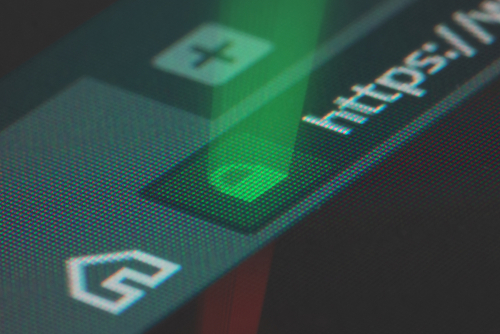 What is an SSL Certificate?
 PROSWIFT Act (S 881) – This Act was sponsored by Sen. Gary Peters (D-MI) on March 26, 2019. The legislation is designed to improve understanding and forecasting of weather events in space. The bill details provisions designed to improve the ability of the United States to both forecast and mitigate the effects of space weather. The bill designates the National Science and Technology Council’s Space Weather Operations, Research, and Mitigation Working Group as the authority to direct other agency initiatives. The bill establishes a pilot program to enable the National Oceanic and Atmospheric Administration (NOAA) to enter into contracts with the commercial sector to provide space weather data, in adherence to certain standards. The bill passed in the Senate in July and in the House in September, and is currently waiting to be enacted by the President.
 The Senate Republicans’ slimmed-down stimulus bill recently failed to materialize after receiving less than the 60 votes needed to move forward. The “skinny” stimulus bill, with a price tag of only $650 billion, was intended to be a way to quickly inject stimulus into the economy and bypass both the multi-trillion-dollar Republican HEALS Act and the Democratic HEROES Act.
 As bad as the economy is right now due to the COVID outbreak in the United States, many economists are predicting that the long-term outlook is much bleaker. Alas, Congress and the Federal Reserve’s efforts at stimulus and interest rate management have done much to keep the economy and stock market afloat. However, small businesses – the backbone of America’s employment growth – are closing every day. As consumer spending reduces further, the impact will likely affect Wall Street. Consequently, share prices may soon begin correcting to reflect the future more so than the present.