While the pandemic is not over, we do have some good news. There are vaccines and they will be available soon. Here’s where we are in terms of an overall plan and where states are with distributing the vaccines.
Operation Warp Speed
The current administration has already purchased hundreds of millions of doses of several vaccine candidates. Two of them are from Moderna and Pfizer and they’ve shown significant efficacy in Phase 3 clinical trials. The incoming Biden administration will take on distribution and has established a COVID-19 Task Force. A limited number of doses may become available as early as December.
This document from the Center for Disease Control and Prevention (CDC) is the roadmap for state, territorial, tribal, and local public health programs and their partners. It focuses on how to plan and operationalize a vaccine response to the pandemic within their jurisdictions. It’s quite comprehensive and is a good reference for the coming months.
Phased Approach
In the Interim Playbook, the CDC has given states a set of planning assumptions by which they can develop their distribution plans and explains how the vaccine will likely be administered in phases.
Phase 1 – there is an initial limited supply of vaccine doses that will be prioritized for certain groups. The distribution will be more tightly controlled and a limited number of providers will be administering the vaccine.
Phase 2 – supply would increase and access will be expanded to include a broader set of the population, with more providers involved.
Phase 3 – there would likely be sufficient supply to meet demand and distribution would be integrated into routine vaccination programs.
Common Themes and Concerns from State Plans
The Kaiser Family Foundation (KFF), a non-profit organization focusing on national health issues, sought to collect plans from all 50 states and DC. As of Nov. 13, they’ve reviewed 47 of these plans and have singled out key areas contained within each plan.
Identifying priority populations for vaccination. Each state will determine who will be first in line, initially; however, every plan highlights the following categories as being the priority during Phase 1: healthcare workers, essential workers, and those at high risk (older people and those with pre-disposing health risk factors). A majority of states (25 of 47, or 53 percent) have at least one mention of incorporating racial and/or ethnic minorities or health equity considerations in their targeting of priority populations.
Identifying the network of providers in their state will be responsible for administering vaccines. Even though states are at different points in the process, providers will likely include hospitals and doctors’ offices, pharmacies, health departments, federally qualified health centers, and other clinics that play a role in administering vaccines today. Given the need to quickly vaccinate most residents, additional partners will be needed, such as long-term care facilities, and will (potentially) set up public locations like schools and community centers for mass vaccinations.
Developing the data collection and reporting systems needed to track the vaccine distribution progress. Many states are relying on (and often expanding) existing state-level immunization registries, while other states are developing new systems or using those provided by the federal government. To sum it up, each state is at a different stage in this process.
Laying out a communications strategy for the period before and during vaccination. The CDC has asked states to design plans that anticipate and respond to different populations and include the need to address misinformation and vaccine hesitancy. Not surprisingly, some of these states’ plans are detailed while some are not.
All of these things are high-level summations of what is planned so far. For a more detailed explanation, check out the Interim Playbook from the CDC. The COVID-19 situation is ever-changing, but the most important takeaway is that steps are being put in place to help protect us all. Stay safe.
While the pandemic is not over, we do have some good news. There are vaccines and they will be available soon. Here’s where we are in terms of an overall plan and where states are with distributing the vaccines.
Operation Warp Speed
The current administration has already purchased hundreds of millions of doses of several vaccine candidates. Two of them are from Moderna and Pfizer and they’ve shown significant efficacy in Phase 3 clinical trials. The incoming Biden administration will take on distribution and has established a COVID-19 Task Force. A limited number of doses may become available as early as December.
This document from the Center for Disease Control and Prevention (CDC) is the roadmap for state, territorial, tribal, and local public health programs and their partners. It focuses on how to plan and operationalize a vaccine response to the pandemic within their jurisdictions. It’s quite comprehensive and is a good reference for the coming months.
Phased Approach
In the Interim Playbook, the CDC has given states a set of planning assumptions by which they can develop their distribution plans and explains how the vaccine will likely be administered in phases.
Phase 1 – there is an initial limited supply of vaccine doses that will be prioritized for certain groups. The distribution will be more tightly controlled and a limited number of providers will be administering the vaccine.
Phase 2 – supply would increase and access will be expanded to include a broader set of the population, with more providers involved.
Phase 3 – there would likely be sufficient supply to meet demand and distribution would be integrated into routine vaccination programs.
Common Themes and Concerns from State Plans
The Kaiser Family Foundation (KFF), a non-profit organization focusing on national health issues, sought to collect plans from all 50 states and DC. As of Nov. 13, they’ve reviewed 47 of these plans and have singled out key areas contained within each plan.
Identifying priority populations for vaccination. Each state will determine who will be first in line, initially; however, every plan highlights the following categories as being the priority during Phase 1: healthcare workers, essential workers, and those at high risk (older people and those with pre-disposing health risk factors). A majority of states (25 of 47, or 53 percent) have at least one mention of incorporating racial and/or ethnic minorities or health equity considerations in their targeting of priority populations.
Identifying the network of providers in their state will be responsible for administering vaccines. Even though states are at different points in the process, providers will likely include hospitals and doctors’ offices, pharmacies, health departments, federally qualified health centers, and other clinics that play a role in administering vaccines today. Given the need to quickly vaccinate most residents, additional partners will be needed, such as long-term care facilities, and will (potentially) set up public locations like schools and community centers for mass vaccinations.
Developing the data collection and reporting systems needed to track the vaccine distribution progress. Many states are relying on (and often expanding) existing state-level immunization registries, while other states are developing new systems or using those provided by the federal government. To sum it up, each state is at a different stage in this process.
Laying out a communications strategy for the period before and during vaccination. The CDC has asked states to design plans that anticipate and respond to different populations and include the need to address misinformation and vaccine hesitancy. Not surprisingly, some of these states’ plans are detailed while some are not.
All of these things are high-level summations of what is planned so far. For a more detailed explanation, check out the Interim Playbook from the CDC. The COVID-19 situation is ever-changing, but the most important takeaway is that steps are being put in place to help protect us all. Stay safe.
These articles provide general information on tax, accounting, and financial topics for small businesses and individuals. They are educational in nature and are not specific legal, accounting, financial, tax, or other professional advice, and should not be relied upon as such. This content was prepared by Service2Client and may have been reviewed or edited by the website owner for accuracy and compliance. Look for a trust mark below for verification details. No representation is made that any approach described will achieve a particular result, and no regulatory or professional body has reviewed or endorsed this content. Because each situation is different, readers should consult a qualified professional about their specific circumstances before acting. Images accompanying these articles are protected by copyright and may not be copied or reused.
We’re living in unprecedented, challenging times. If you’re feeling stressed and scared, you’re not alone. However, there is a way to navigate through all of this uncertainty: gratitude. Studies have shown that keeping in mind the things you’re grateful for on a regular basis not only helps you mentally but also physically, which is something we all need these days.
Gratitude Improves Your Immune System
According to Lisa Aspinwall, Ph.D., a psychology professor at the University of Utah, there’s data to back this up. In one study, researchers compared the immune systems of healthy, first-year law students who were under stress and characterized themselves as optimistic to their more pessimistic classmates. Result: The former maintained a higher number of blood cells, which protect the immune system. Specifically, white blood cells are key players in your immune system and move through blood and tissue looking for foreign invaders (microbes) such as bacteria, viruses, parasites and fungi. When they find them, they launch an immediate attack. Tip: The moment you notice that you’re appreciative of something – the sun is shining, the sky is blue, you have clean water to drink – stop and savor. Bask in the experience.
Gratitude Affects Your Brain
When you’re feeling appreciative, it wires and fires new neural connections to the bliss center and enhances dopamine and serotonin, the neurotransmitters responsible for happiness. Gratitude also reduces fear and anxiety by regulating the stress hormones; and it fosters cognitive restructuring by evoking positive thinking. Tip: When you’re eating, give thanks for the bounty before you. Make mealtimes mindful.
Gratitude Reduces Pain
In the research report, Count Blessings Versus Burdens (2003), patients who kept a gratitude journal reported reduced pain symptoms and were more inclined to work out and cooperate with the treatment procedures. A deeper dive revealed that by regulating the level of dopamine, gratitude fills us with more vitality, which reduced the subjective feelings of pain. Tip: Try keeping a journal. If you think you have nothing to be grateful for, think about all the little things you have. You might find that you’re taking for granted certain abilities or privileges you have that others don’t.
Gratitude Affects Sleep
Studies have shown that receiving and displaying simple acts of kindness activates the hypothalamus, and thereby regulates all bodily mechanisms controlled by the hypothalamus, one of which is sleep. The hypothalamic regulation by gratitude helps us get deeper and healthier sleep, naturally. Tip: Hold the door for a stranger. Let someone have that parking space you both came upon. Share that compliment that’s on the tip of your tongue. To give is to receive. You might just rest easier.
Gratitude Gets Rid of Toxic Emotions
The limbic system is the part of the brain that’s responsible for all emotional experiences. It consists of the thalamus, hypothalamus, amygdala, hippocampus, and cingulate gyrus. Research has shown that the hippocampus and amygdala, the two main sites regulating emotions, memory, and bodily functioning, get activated with feelings of gratitude. Specifically, what we call emotions or feelings are neural activations in the neocortical regions of the brain (Moll et al. 2005). Further, a study conducted on people who were looking for mental health guidance revealed that those who wrote letters of gratitude, in addition to having regular counseling, felt better and recovered sooner. In the other group, people who journaled about their negative feelings felt anxious and depressed. Tip: In addition to journaling, maybe there’s a letter you need to write to someone expressing how you feel, releasing a past hurt. The simple act of writing can be powerful. You don’t even have to send it to feel better.
Right now, when we’re faced with so many unknowns, staying present and giving thanks can do a world of good. Give it a try and see.
We’re living in unprecedented, challenging times. If you’re feeling stressed and scared, you’re not alone. However, there is a way to navigate through all of this uncertainty: gratitude. Studies have shown that keeping in mind the things you’re grateful for on a regular basis not only helps you mentally but also physically, which is something we all need these days.
Gratitude Improves Your Immune System
According to Lisa Aspinwall, Ph.D., a psychology professor at the University of Utah, there’s data to back this up. In one study, researchers compared the immune systems of healthy, first-year law students who were under stress and characterized themselves as optimistic to their more pessimistic classmates. Result: The former maintained a higher number of blood cells, which protect the immune system. Specifically, white blood cells are key players in your immune system and move through blood and tissue looking for foreign invaders (microbes) such as bacteria, viruses, parasites and fungi. When they find them, they launch an immediate attack. Tip: The moment you notice that you’re appreciative of something – the sun is shining, the sky is blue, you have clean water to drink – stop and savor. Bask in the experience.
Gratitude Affects Your Brain
When you’re feeling appreciative, it wires and fires new neural connections to the bliss center and enhances dopamine and serotonin, the neurotransmitters responsible for happiness. Gratitude also reduces fear and anxiety by regulating the stress hormones; and it fosters cognitive restructuring by evoking positive thinking. Tip: When you’re eating, give thanks for the bounty before you. Make mealtimes mindful.
Gratitude Reduces Pain
In the research report, Count Blessings Versus Burdens (2003), patients who kept a gratitude journal reported reduced pain symptoms and were more inclined to work out and cooperate with the treatment procedures. A deeper dive revealed that by regulating the level of dopamine, gratitude fills us with more vitality, which reduced the subjective feelings of pain. Tip: Try keeping a journal. If you think you have nothing to be grateful for, think about all the little things you have. You might find that you’re taking for granted certain abilities or privileges you have that others don’t.
Gratitude Affects Sleep
Studies have shown that receiving and displaying simple acts of kindness activates the hypothalamus, and thereby regulates all bodily mechanisms controlled by the hypothalamus, one of which is sleep. The hypothalamic regulation by gratitude helps us get deeper and healthier sleep, naturally. Tip: Hold the door for a stranger. Let someone have that parking space you both came upon. Share that compliment that’s on the tip of your tongue. To give is to receive. You might just rest easier.
Gratitude Gets Rid of Toxic Emotions
The limbic system is the part of the brain that’s responsible for all emotional experiences. It consists of the thalamus, hypothalamus, amygdala, hippocampus, and cingulate gyrus. Research has shown that the hippocampus and amygdala, the two main sites regulating emotions, memory, and bodily functioning, get activated with feelings of gratitude. Specifically, what we call emotions or feelings are neural activations in the neocortical regions of the brain (Moll et al. 2005). Further, a study conducted on people who were looking for mental health guidance revealed that those who wrote letters of gratitude, in addition to having regular counseling, felt better and recovered sooner. In the other group, people who journaled about their negative feelings felt anxious and depressed. Tip: In addition to journaling, maybe there’s a letter you need to write to someone expressing how you feel, releasing a past hurt. The simple act of writing can be powerful. You don’t even have to send it to feel better.
Right now, when we’re faced with so many unknowns, staying present and giving thanks can do a world of good. Give it a try and see.
These articles provide general information on tax, accounting, and financial topics for small businesses and individuals. They are educational in nature and are not specific legal, accounting, financial, tax, or other professional advice, and should not be relied upon as such. This content was prepared by Service2Client and may have been reviewed or edited by the website owner for accuracy and compliance. Look for a trust mark below for verification details. No representation is made that any approach described will achieve a particular result, and no regulatory or professional body has reviewed or endorsed this content. Because each situation is different, readers should consult a qualified professional about their specific circumstances before acting. Images accompanying these articles are protected by copyright and may not be copied or reused.
Due to the uncertainty of COVID-19, many schools across America have transitioned to at-home learning. This alone presents a whole new set of challenges for parents, not the least of which is figuring out what to feed your kids for lunch – every single day of the week. While peanut butter and jelly is a reliable standby, here are some cheap, easy alternatives you can whip up in no time.
English Muffin Pizza
Grab some English muffins and top them with pizza sauce or marinara. Either one will work. (Hint: use the store brand because it’s comparable and usually costs less.) If you like, you can even add shredded cheese. Put them in a toaster oven and bake. Now comes the fun part: create a face. Use olives for the nose and eyes. Cut up yellow, red, and green peppers into thin slices to form a mouth and eyebrows. For the extra peppers, use ranch dressing for dipping. This one is fun and healthy!
Lunchables Knockoff
Pre-packaged meals generally cost more. So why not create your own version of this lunch-time favorite and save some money? Buy round, butter crackers with ridges on the edge (like Ritz, but buy the store brand); round, sliced lunch meat; and small, sliced squares of cheese. Place each in the spaces in a plastic divided container. Cut up some fruit (apples, pears, anything you like) and serve. If natural sugar isn’t enough for your little ones, throw in a cookie.
Pita Pockets
You can stuff these full of anything you like. Making tuna salad for a filler is always delish but takes a bit of prep, so for time’s sake, add lunch meat. After that, add lettuce and anything else your child likes. Maybe some tomatoes or cucumbers, then add a condiment, mustard, or mayo. For a side, choose local, seasonal produce. It’s always cheaper than out-of-season choices.
Meat-Free Lunch
Purchasing meat can get expensive, so why not go veggie for a few days? Your DIY lunch kit might include cheese cubes, crackers, cherry (or grape) tomatoes, and green or purple grapes. If you get inspired, cut up apples and bananas into bite-sized portions. Throwing in some nuts for a little extra crunch is always a good idea, too. If you want to make these meals a regular thing, buy reusable, compartmentalized containers like EasyLunchBoxes, affordably priced at $14 for four. You can also buy them on Amazon. Carve out some time on a Saturday afternoon and make these in bulk to save time during your busy week. You might even ask the kids to help!
Ants on a Log
Cut up some celery (the logs). Fill with peanut butter, then sprinkle raisins on top (the ants). Serve with cheese cubes, graham crackers, yogurt, and/or fresh fruit. Kids love this one, especially because of the funny name.
Pancake Lunch
Everyone loves Saturday morning pancakes, so why not serve them for lunch, too? Here’s a thought: prepare a double batch of pancakes, plus bacon and fresh fruit on the weekend; then save half for Monday and pop them in the microwave. This way, you won’t have to prepare them twice. Don’t forget the syrup!
Cottage Cheese and Fruit
This lunch might well be the quickest of all to make. Place two scoops of cottage cheese in a leak-proof container, then add some canned fruit such as peaches, pineapple or mandarin oranges. Crackers (graham or saltines) with a little vat of peanut butter for dipping completes this easy, peasy meal.
We hope that these cost-saving lunches help save time and worry. With all that’s going on, you’ve got enough on your plate!
Due to the uncertainty of COVID-19, many schools across America have transitioned to at-home learning. This alone presents a whole new set of challenges for parents, not the least of which is figuring out what to feed your kids for lunch – every single day of the week. While peanut butter and jelly is a reliable standby, here are some cheap, easy alternatives you can whip up in no time.
English Muffin Pizza
Grab some English muffins and top them with pizza sauce or marinara. Either one will work. (Hint: use the store brand because it’s comparable and usually costs less.) If you like, you can even add shredded cheese. Put them in a toaster oven and bake. Now comes the fun part: create a face. Use olives for the nose and eyes. Cut up yellow, red, and green peppers into thin slices to form a mouth and eyebrows. For the extra peppers, use ranch dressing for dipping. This one is fun and healthy!
Lunchables Knockoff
Pre-packaged meals generally cost more. So why not create your own version of this lunch-time favorite and save some money? Buy round, butter crackers with ridges on the edge (like Ritz, but buy the store brand); round, sliced lunch meat; and small, sliced squares of cheese. Place each in the spaces in a plastic divided container. Cut up some fruit (apples, pears, anything you like) and serve. If natural sugar isn’t enough for your little ones, throw in a cookie.
Pita Pockets
You can stuff these full of anything you like. Making tuna salad for a filler is always delish but takes a bit of prep, so for time’s sake, add lunch meat. After that, add lettuce and anything else your child likes. Maybe some tomatoes or cucumbers, then add a condiment, mustard, or mayo. For a side, choose local, seasonal produce. It’s always cheaper than out-of-season choices.
Meat-Free Lunch
Purchasing meat can get expensive, so why not go veggie for a few days? Your DIY lunch kit might include cheese cubes, crackers, cherry (or grape) tomatoes, and green or purple grapes. If you get inspired, cut up apples and bananas into bite-sized portions. Throwing in some nuts for a little extra crunch is always a good idea, too. If you want to make these meals a regular thing, buy reusable, compartmentalized containers like EasyLunchBoxes, affordably priced at $14 for four. You can also buy them on Amazon. Carve out some time on a Saturday afternoon and make these in bulk to save time during your busy week. You might even ask the kids to help!
Ants on a Log
Cut up some celery (the logs). Fill with peanut butter, then sprinkle raisins on top (the ants). Serve with cheese cubes, graham crackers, yogurt, and/or fresh fruit. Kids love this one, especially because of the funny name.
Pancake Lunch
Everyone loves Saturday morning pancakes, so why not serve them for lunch, too? Here’s a thought: prepare a double batch of pancakes, plus bacon and fresh fruit on the weekend; then save half for Monday and pop them in the microwave. This way, you won’t have to prepare them twice. Don’t forget the syrup!
Cottage Cheese and Fruit
This lunch might well be the quickest of all to make. Place two scoops of cottage cheese in a leak-proof container, then add some canned fruit such as peaches, pineapple or mandarin oranges. Crackers (graham or saltines) with a little vat of peanut butter for dipping completes this easy, peasy meal.
We hope that these cost-saving lunches help save time and worry. With all that’s going on, you’ve got enough on your plate!
These articles provide general information on tax, accounting, and financial topics for small businesses and individuals. They are educational in nature and are not specific legal, accounting, financial, tax, or other professional advice, and should not be relied upon as such. This content was prepared by Service2Client and may have been reviewed or edited by the website owner for accuracy and compliance. Look for a trust mark below for verification details. No representation is made that any approach described will achieve a particular result, and no regulatory or professional body has reviewed or endorsed this content. Because each situation is different, readers should consult a qualified professional about their specific circumstances before acting. Images accompanying these articles are protected by copyright and may not be copied or reused.
If you’re anxious about sending your children back to school, you’re not alone. In fact, a recent poll from ABC News/Ipsos showed that 45 percent of parents don’t want their kids in the classroom at all. But whether your kids are in school or learning at home, there’s still plenty of worry to go around. How do you cope? Here are a few suggestions from a variety of counselors and mental health professionals that can help.
Express Your Feelings
Noticing the anxiety that’s going on inside is half the battle – then let it out. “I would encourage parents to share this feeling with their partners or other family and friends,” says Michael Consuelos, MD, a senior medical advisor with the mental health management platform NeuroFlow in Philadelphia. Simply releasing what you’re feeling can often take the power of it.
Teach Your Kids How to Navigate
This starts with talking to your kids about what social distancing is, what it looks like, and how to wash their hands thoroughly. Fran Walfish, PsyD, MFT, and a family and relationship psychotherapist in Beverly Hills, Calif., suggests making up real-life situations and getting your kids to “think in advance about what they would say or do to protect themselves while preserving a friendship.” For instance, a friend of your son stands too close to him and asks to borrow a ruler. How should he react? Or your daughter is eating lunch and a friend reaches in and takes a few chips from her Doritos bag. What should she do? You can probably come up with many other scenarios that help your kids figure out the best options for keeping safe.
Have Honest Conversations
Kathleen Rivera, MD, a psychiatrist who specializes in children and adolescents at Nuvance Health in Danbury, Conn., strongly suggests talking with your kids about the situation, no matter how young they are, and asking them how they’re feeling about the changes in their school environment. What things about school do you miss the most? How is this new learning set-up working for you? What are things you don’t miss about school? Claudia Kohner, Ph.D., a licensed psychologist and creator of IntroDUCKtion to Very, Very Big Feelings app, says that if you have very young children, give them some colored pencils and a coloring book. Sit down with them and help them create a homemade book that describes the changes in their school setting and reflects their feelings that go along with it. Encouraging imaginative play with dolls and stuffed animals is also a great way to help your kids express what they’re going through.
Practice Self-Care
In these uncertain times, it’s more important than ever to be kind to yourself – and not judge yourself for failing to cross everything off your to-do list. “You don’t have to do it all,” says Elizabeth Derickson, MSW, LCSW, RPT, a therapist with online therapy provider Talkspace. This is her No. 1 piece of advice for parents who are dealing with back-to-school anxiety. She suggests setting up realistic expectations and acknowledging that there will be both good days and bad days, and allowing yourself “to learn from the bad days, move on and rock those good days.”
Embrace Change
In a few months, the landscape of your life might look radically different than it does today. That’s why being able to adapt to whatever new circumstance presents itself is key. According to Dr. Rivera, “Flexibility is the most important thing in this whole process.” Knowing you have every right to reverse your decisions is OK – and empowering.
Despite the seemingly never-ending stream of worries that inevitably crop up in our new abnormal, remember: the most constant thing in life is change. Things will get better.
If you’re anxious about sending your children back to school, you’re not alone. In fact, a recent poll from ABC News/Ipsos showed that 45 percent of parents don’t want their kids in the classroom at all. But whether your kids are in school or learning at home, there’s still plenty of worry to go around. How do you cope? Here are a few suggestions from a variety of counselors and mental health professionals that can help.
Express Your Feelings
Noticing the anxiety that’s going on inside is half the battle – then let it out. “I would encourage parents to share this feeling with their partners or other family and friends,” says Michael Consuelos, MD, a senior medical advisor with the mental health management platform NeuroFlow in Philadelphia. Simply releasing what you’re feeling can often take the power of it.
Teach Your Kids How to Navigate
This starts with talking to your kids about what social distancing is, what it looks like, and how to wash their hands thoroughly. Fran Walfish, PsyD, MFT, and a family and relationship psychotherapist in Beverly Hills, Calif., suggests making up real-life situations and getting your kids to “think in advance about what they would say or do to protect themselves while preserving a friendship.” For instance, a friend of your son stands too close to him and asks to borrow a ruler. How should he react? Or your daughter is eating lunch and a friend reaches in and takes a few chips from her Doritos bag. What should she do? You can probably come up with many other scenarios that help your kids figure out the best options for keeping safe.
Have Honest Conversations
Kathleen Rivera, MD, a psychiatrist who specializes in children and adolescents at Nuvance Health in Danbury, Conn., strongly suggests talking with your kids about the situation, no matter how young they are, and asking them how they’re feeling about the changes in their school environment. What things about school do you miss the most? How is this new learning set-up working for you? What are things you don’t miss about school? Claudia Kohner, Ph.D., a licensed psychologist and creator of IntroDUCKtion to Very, Very Big Feelings app, says that if you have very young children, give them some colored pencils and a coloring book. Sit down with them and help them create a homemade book that describes the changes in their school setting and reflects their feelings that go along with it. Encouraging imaginative play with dolls and stuffed animals is also a great way to help your kids express what they’re going through.
Practice Self-Care
In these uncertain times, it’s more important than ever to be kind to yourself – and not judge yourself for failing to cross everything off your to-do list. “You don’t have to do it all,” says Elizabeth Derickson, MSW, LCSW, RPT, a therapist with online therapy provider Talkspace. This is her No. 1 piece of advice for parents who are dealing with back-to-school anxiety. She suggests setting up realistic expectations and acknowledging that there will be both good days and bad days, and allowing yourself “to learn from the bad days, move on and rock those good days.”
Embrace Change
In a few months, the landscape of your life might look radically different than it does today. That’s why being able to adapt to whatever new circumstance presents itself is key. According to Dr. Rivera, “Flexibility is the most important thing in this whole process.” Knowing you have every right to reverse your decisions is OK – and empowering.
Despite the seemingly never-ending stream of worries that inevitably crop up in our new abnormal, remember: the most constant thing in life is change. Things will get better.
These articles provide general information on tax, accounting, and financial topics for small businesses and individuals. They are educational in nature and are not specific legal, accounting, financial, tax, or other professional advice, and should not be relied upon as such. This content was prepared by Service2Client and may have been reviewed or edited by the website owner for accuracy and compliance. Look for a trust mark below for verification details. No representation is made that any approach described will achieve a particular result, and no regulatory or professional body has reviewed or endorsed this content. Because each situation is different, readers should consult a qualified professional about their specific circumstances before acting. Images accompanying these articles are protected by copyright and may not be copied or reused.
The impact of COVID-19 has caused many Americans to suffer hardships, one of which is struggling to make ends meet. But take heart; there are solutions. Here are a few areas in which creditors are working with people to alleviate some of the stress.
Mortgages
Fortunately, the Coronavirus Aid, Relief, and Economic Security Act, allows for mortgage forbearance, which if you’re financially compromised because of COVID-19, you can temporarily suspend payments. Also, the Federal Housing Finance Agency is allowing mortgage servicers to permit homeowners to delay payments if the notes are backed federally or by a Government Sponsored Enterprise, which includes Fannie Mae or Freddie Mac, FHA, VA or USDA. If you don’t know who services your loan, you can check Mortgage Electronic Registration Systems. If your mortgage isn’t federally backed, ask your lender about your options. If you need more help, contact a Housing and Urban Development approved housing counselor or local legal aid organizations.
Rent
The good news here! The CARES Act also includes a 120-day moratorium on evictions if you rent from a landlord who has a federally backed mortgage. If your landlord doesn’t fall into this category, contact them immediately. If you have any assets to sell, that’s an option. Hop on eBay or Craig’s List. If you have a 401(k), the IRS allows you to make an early hardship withdrawal. When all else fails, contact Just Shelter, an organization that advocates for affordable housing.
Student Loans
More good news! The Department of Education is granting students a payment waiver for at least 60 days with zero percent interest. But you have to do some legwork; it’s not automatic. Call your loan servicers to make sure your loan is eligible. This exception doesn’t apply to private student loans. However, Sallie Mae, one large private lender, said it’s offering suspension of payment for up to three months. Get in touch as soon as possible with whoever holds your loan to start the conversation.
Utility Bills
Some utility providers are refraining from cutting off services for nonpayment, which is a relief. Also, quite a few Internet companies like AT&T and Charter Communications have agreed not to end service for residential or small-business customers who can’t pay their bills. To find out the details and policies from your providers, check their website, or call.
Credit Cards
Major credit card issuers are offering relief to customers who’ve been affected by COVID-19. American Express, for example, is providing assistance through its financial hardship program. But beware of scammers who send out fake emails from said creditors about the virus; they’re trying to steal your personal and financial information and/or infect your computer with malware. If you have doubts about any communication you receive from your financial institution, email, or call. Don’t take any chances.
Right now, life might feel overwhelming. But know this: we’re all in this together. And the upside is that many companies are stepping up to lend a hand.
The impact of COVID-19 has caused many Americans to suffer hardships, one of which is struggling to make ends meet. But take heart; there are solutions. Here are a few areas in which creditors are working with people to alleviate some of the stress.
Mortgages
Fortunately, the Coronavirus Aid, Relief, and Economic Security Act, allows for mortgage forbearance, which if you’re financially compromised because of COVID-19, you can temporarily suspend payments. Also, the Federal Housing Finance Agency is allowing mortgage servicers to permit homeowners to delay payments if the notes are backed federally or by a Government Sponsored Enterprise, which includes Fannie Mae or Freddie Mac, FHA, VA or USDA. If you don’t know who services your loan, you can check Mortgage Electronic Registration Systems. If your mortgage isn’t federally backed, ask your lender about your options. If you need more help, contact a Housing and Urban Development approved housing counselor or local legal aid organizations.
Rent
The good news here! The CARES Act also includes a 120-day moratorium on evictions if you rent from a landlord who has a federally backed mortgage. If your landlord doesn’t fall into this category, contact them immediately. If you have any assets to sell, that’s an option. Hop on eBay or Craig’s List. If you have a 401(k), the IRS allows you to make an early hardship withdrawal. When all else fails, contact Just Shelter, an organization that advocates for affordable housing.
Student Loans
More good news! The Department of Education is granting students a payment waiver for at least 60 days with zero percent interest. But you have to do some legwork; it’s not automatic. Call your loan servicers to make sure your loan is eligible. This exception doesn’t apply to private student loans. However, Sallie Mae, one large private lender, said it’s offering suspension of payment for up to three months. Get in touch as soon as possible with whoever holds your loan to start the conversation.
Utility Bills
Some utility providers are refraining from cutting off services for nonpayment, which is a relief. Also, quite a few Internet companies like AT&T and Charter Communications have agreed not to end service for residential or small-business customers who can’t pay their bills. To find out the details and policies from your providers, check their website, or call.
Credit Cards
Major credit card issuers are offering relief to customers who’ve been affected by COVID-19. American Express, for example, is providing assistance through its financial hardship program. But beware of scammers who send out fake emails from said creditors about the virus; they’re trying to steal your personal and financial information and/or infect your computer with malware. If you have doubts about any communication you receive from your financial institution, email, or call. Don’t take any chances.
Right now, life might feel overwhelming. But know this: we’re all in this together. And the upside is that many companies are stepping up to lend a hand.
These articles provide general information on tax, accounting, and financial topics for small businesses and individuals. They are educational in nature and are not specific legal, accounting, financial, tax, or other professional advice, and should not be relied upon as such. This content was prepared by Service2Client and may have been reviewed or edited by the website owner for accuracy and compliance. Look for a trust mark below for verification details. No representation is made that any approach described will achieve a particular result, and no regulatory or professional body has reviewed or endorsed this content. Because each situation is different, readers should consult a qualified professional about their specific circumstances before acting. Images accompanying these articles are protected by copyright and may not be copied or reused.
Even though unemployment is still relatively high, there are still some great part-time jobs you can do that will help cover basic expenses. Here’s a list of the industries that are hiring right now:
Paid Survey Participant
If you like to share your opinions (and who doesn’t), this job is perfect for you. Companies are always looking for consumer opinions on a variety of things such as products, services, etc. Best of all, it’s completely online, so you can work from anywhere. Here’s a list of companies that are looking for your feedback: Swagbucks, PrizeRebel, SurveyJunkie, SurveyPolice, Inbox Dollars, and Toluna. Grab your laptop, kick back, and start earning!
Freelance Writers
If you’re a writer of any kind, this industry is really taking off right now. All you need is impeccable grammar and the ability to put together clear sentences. While having prior experience is always good, some companies might require candidates to have a bachelor’s degree in journalism, creative writing, or a related field like communications. Here are some sites for freelance writers to check out: Fiverr, Upwork, Freelancer, and PeoplePerHour.
E-Commerce
This is easier to pull off than you might think. While you need an initial investment, the cost of opening an online store is low – and it’s perfect for the entrepreneur or artist. Are you a life coach? Can you help college seniors write resumes? Do you make hand-poured candles? Really, anything can become an online business and this sector will only continue to grow as the pandemic prevents in-store purchases. Some sites to help you get started include Big Commerce, Shopify, and LinkedIn Learning.
Web Designers/Developers
If you have design or development experience, then you can make money online with this part-time gig. In addition to design, other skills you need include knowing how to create layouts and how to code. Knowledge of graphic design software and consumer recognition is necessary, as well as understanding the users, aka “personas,” of the audience. If you don’t know how to code, there are online classes you can take at Coursera, Pluralsight, and FreeCodeMap. What better time to pick up a new skill that can help you earn a living?
Delivery Jobs
Since many people are still sheltering in place, supermarket fresh delivery jobs are booming. Two places to inquire are Walmart and Amazon Fresh. All you need is a driver’s license and an ID. Food industry drivers are also in high demand. Check out Postmates, Uber Eats, Grub Hub, and Door Dash. Customers pay for their meals online or over the phone. All you have to do is leave the food on the front porch; the same is true for supermarket fresh deliveries. This way, you won’t have to interact with people face-to-face. Both of these are great interim jobs until you return after a furlough and/or get full-time employment. Plus, getting out and about just might do you a world of good.
Translator
Do you speak a foreign language? If so, this industry is ripe with possibilities. Plus, you can work at home (or anywhere) online and create your own schedule. Here are a few sites to look into: Gengo, Language Line, and Verbalizelt.
With all these industries that have grown in the past few months (and will continue to grow), it seems as if there should be plenty of job opportunities to go around. However, the key to landing a part-time job is persistence. Keep on keeping on. Never give up! There’s something out waiting for you.
Even though unemployment is still relatively high, there are still some great part-time jobs you can do that will help cover basic expenses. Here’s a list of the industries that are hiring right now:
Paid Survey Participant
If you like to share your opinions (and who doesn’t), this job is perfect for you. Companies are always looking for consumer opinions on a variety of things such as products, services, etc. Best of all, it’s completely online, so you can work from anywhere. Here’s a list of companies that are looking for your feedback: Swagbucks, PrizeRebel, SurveyJunkie, SurveyPolice, Inbox Dollars, and Toluna. Grab your laptop, kick back, and start earning!
Freelance Writers
If you’re a writer of any kind, this industry is really taking off right now. All you need is impeccable grammar and the ability to put together clear sentences. While having prior experience is always good, some companies might require candidates to have a bachelor’s degree in journalism, creative writing, or a related field like communications. Here are some sites for freelance writers to check out: Fiverr, Upwork, Freelancer, and PeoplePerHour.
E-Commerce
This is easier to pull off than you might think. While you need an initial investment, the cost of opening an online store is low – and it’s perfect for the entrepreneur or artist. Are you a life coach? Can you help college seniors write resumes? Do you make hand-poured candles? Really, anything can become an online business and this sector will only continue to grow as the pandemic prevents in-store purchases. Some sites to help you get started include Big Commerce, Shopify, and LinkedIn Learning.
Web Designers/Developers
If you have design or development experience, then you can make money online with this part-time gig. In addition to design, other skills you need include knowing how to create layouts and how to code. Knowledge of graphic design software and consumer recognition is necessary, as well as understanding the users, aka “personas,” of the audience. If you don’t know how to code, there are online classes you can take at Coursera, Pluralsight, and FreeCodeMap. What better time to pick up a new skill that can help you earn a living?
Delivery Jobs
Since many people are still sheltering in place, supermarket fresh delivery jobs are booming. Two places to inquire are Walmart and Amazon Fresh. All you need is a driver’s license and an ID. Food industry drivers are also in high demand. Check out Postmates, Uber Eats, Grub Hub, and Door Dash. Customers pay for their meals online or over the phone. All you have to do is leave the food on the front porch; the same is true for supermarket fresh deliveries. This way, you won’t have to interact with people face-to-face. Both of these are great interim jobs until you return after a furlough and/or get full-time employment. Plus, getting out and about just might do you a world of good.
Translator
Do you speak a foreign language? If so, this industry is ripe with possibilities. Plus, you can work at home (or anywhere) online and create your own schedule. Here are a few sites to look into: Gengo, Language Line, and Verbalizelt.
With all these industries that have grown in the past few months (and will continue to grow), it seems as if there should be plenty of job opportunities to go around. However, the key to landing a part-time job is persistence. Keep on keeping on. Never give up! There’s something out waiting for you.
These articles provide general information on tax, accounting, and financial topics for small businesses and individuals. They are educational in nature and are not specific legal, accounting, financial, tax, or other professional advice, and should not be relied upon as such. This content was prepared by Service2Client and may have been reviewed or edited by the website owner for accuracy and compliance. Look for a trust mark below for verification details. No representation is made that any approach described will achieve a particular result, and no regulatory or professional body has reviewed or endorsed this content. Because each situation is different, readers should consult a qualified professional about their specific circumstances before acting. Images accompanying these articles are protected by copyright and may not be copied or reused.
Due to the unprecedented effects of COVID-19, the line between our professional and personal lives has blurred. Trying to take care of job responsibilities from home requires new ways of navigating. Here are a few ideas to help you become more productive while working at home – and stay grounded in these uncertain times.
Dress for Work
As tempting as it might be to stay in your pajamas, don’t. Act as if you’re going into the office: shower put on your work clothes and head to your desk. You’ll feel more focused and professional. According to Heather Yurovsky, founder of Shatter & Shine, one should not underestimate the power of putting on clothes suitable for public viewing. “It makes you feel human, confident and helps draw the line between being at home and being at work,” she says.
Create a Dedicated Space
While working from the kitchen table or couch in your living room might be more comfortable, it also might prohibit your productivity. Set up a home office. Get an extra monitor. Make sure you have dependable internet service. In short, replicate a professional workspace as best you can; one that feels separate from the rest of your home. When your surroundings are more in line with a real office, you’ll be more motivated. Plus, you’ll be able to more easily turn on when your day begins and turn off when it’s over.
Set Up a Plan for the Kids
Even though school’s out, chances are you still have to work. Create a schedule for the kids. Carve out certain hours for activities in designated areas of the house. According to Emily Weinmann of Us Happy Four, one of the best ways to keep the little ones occupied and happy is to prepare activity stations. Another great idea is to prepare snacks the night before and put them in your office, in the fridge or in their rooms. When someone is starving, the snacks will be ready. And finally, relax screen time. When you’re stuck at home and it’s either raining or it’s scalding hot outside, you’ll be grateful for technology.
Keep Regular Hours
If you stick with regular hours, you’ll not only be able to seamlessly transition going back into the office, you’ll also be on the same schedule as your colleagues. Everyone will be working concurrently, so you’ll be more efficient, easier to reach, and productive. When lunchtime comes, leave your home office and eat in the kitchen, the patio, or the backyard. Even though you’re in one place, the simple change of venue will be mentally refreshing.
Set Clear Boundaries
This is especially important if you have other humans in your home. Try your best to discourage intrusions. When you’re in a meeting, shut the door. Lock it if you have to. If your home is more open, put signs in strategic places where people frequent, like the entry to the kitchen or stairs to the basement. This way, they’ll pause and reflect on whether an interruption is really necessary.
Limit Your Intake of News
In a society that’s saturated with news at every turn, it’s tough not to get sucked into the latest tragedy. Be intentional: Turn off the TV during work hours. Don’t visit news sites when you’re at the computer or on your phone. If you feel you must have a bit of news to break up your day, tune in for a few minutes during lunch or in the evening. But even then, be judicious and limit your time. If some story sends you over the edge, turn it off and head outside for a walk. Change the channel. Put on your favorite music.
These days, we’re all doing the best we can, taking life one day at a time. Unless you already work from home or have made a decision that you’ll work from home for the rest of your life, remember that things will change.
Due to the unprecedented effects of COVID-19, the line between our professional and personal lives has blurred. Trying to take care of job responsibilities from home requires new ways of navigating. Here are a few ideas to help you become more productive while working at home – and stay grounded in these uncertain times.
Dress for Work
As tempting as it might be to stay in your pajamas, don’t. Act as if you’re going into the office: shower put on your work clothes and head to your desk. You’ll feel more focused and professional. According to Heather Yurovsky, founder of Shatter & Shine, one should not underestimate the power of putting on clothes suitable for public viewing. “It makes you feel human, confident and helps draw the line between being at home and being at work,” she says.
Create a Dedicated Space
While working from the kitchen table or couch in your living room might be more comfortable, it also might prohibit your productivity. Set up a home office. Get an extra monitor. Make sure you have dependable internet service. In short, replicate a professional workspace as best you can; one that feels separate from the rest of your home. When your surroundings are more in line with a real office, you’ll be more motivated. Plus, you’ll be able to more easily turn on when your day begins and turn off when it’s over.
Set Up a Plan for the Kids
Even though school’s out, chances are you still have to work. Create a schedule for the kids. Carve out certain hours for activities in designated areas of the house. According to Emily Weinmann of Us Happy Four, one of the best ways to keep the little ones occupied and happy is to prepare activity stations. Another great idea is to prepare snacks the night before and put them in your office, in the fridge or in their rooms. When someone is starving, the snacks will be ready. And finally, relax screen time. When you’re stuck at home and it’s either raining or it’s scalding hot outside, you’ll be grateful for technology.
Keep Regular Hours
If you stick with regular hours, you’ll not only be able to seamlessly transition going back into the office, you’ll also be on the same schedule as your colleagues. Everyone will be working concurrently, so you’ll be more efficient, easier to reach, and productive. When lunchtime comes, leave your home office and eat in the kitchen, the patio, or the backyard. Even though you’re in one place, the simple change of venue will be mentally refreshing.
Set Clear Boundaries
This is especially important if you have other humans in your home. Try your best to discourage intrusions. When you’re in a meeting, shut the door. Lock it if you have to. If your home is more open, put signs in strategic places where people frequent, like the entry to the kitchen or stairs to the basement. This way, they’ll pause and reflect on whether an interruption is really necessary.
Limit Your Intake of News
In a society that’s saturated with news at every turn, it’s tough not to get sucked into the latest tragedy. Be intentional: Turn off the TV during work hours. Don’t visit news sites when you’re at the computer or on your phone. If you feel you must have a bit of news to break up your day, tune in for a few minutes during lunch or in the evening. But even then, be judicious and limit your time. If some story sends you over the edge, turn it off and head outside for a walk. Change the channel. Put on your favorite music.
These days, we’re all doing the best we can, taking life one day at a time. Unless you already work from home or have made a decision that you’ll work from home for the rest of your life, remember that things will change.
These articles provide general information on tax, accounting, and financial topics for small businesses and individuals. They are educational in nature and are not specific legal, accounting, financial, tax, or other professional advice, and should not be relied upon as such. This content was prepared by Service2Client and may have been reviewed or edited by the website owner for accuracy and compliance. Look for a trust mark below for verification details. No representation is made that any approach described will achieve a particular result, and no regulatory or professional body has reviewed or endorsed this content. Because each situation is different, readers should consult a qualified professional about their specific circumstances before acting. Images accompanying these articles are protected by copyright and may not be copied or reused.
These days, you can’t be too careful when it comes to investments. And if you’re older, you’re a prime target for fraudsters. That said, anyone of any age is vulnerable. Here are a few key things to keep in mind when you’re considering investing.
Ask Lots of Questions
Of course, you’re going to ask questions, but make sure you ask the right ones. Is the product registered with the SEC or state securities agencies? What are the fees? How does the company make money? What things might affect the value of the investment? Are my investment goals aligned with the investment? How liquid is this investment? For more ideas about what questions to ask, check out this comprehensive resource from the U.S. Securities and Exchange Commission.
Do Your Research
And we don’t mean simply Googling them. If you’re thinking about investing in a publicly traded company, go immediately to the SEC’s EDGAR database. You can look up the prospective company to see if it’s legitimate.
Beware of Unbelievable Returns
If something sounds too good to be true, chances are it is. If you hear that the investment will make “incredible gains,” is a “breakout stock pick” or has a “huge upside and almost no risk,” these are big red flags of fraud. Further, if the salesperson promises a guaranteed return, you know this isn’t true; every equity investment has a modicum of risk.
Resist ‘Act Now’ Offers
If someone tells you that this investment is a once-in-a-lifetime offer and it will be gone tomorrow, walk away. Another scam tactic is one that claims “everyone is investing in X stock, and so should you.” As irresistible as this might sound, don’t succumb to the pressure. It’s a trick.
Avoid Reciprocity
One of the most common lures that tricksters use are free seminars that include lunch. They play on your guilt and figure that if they do something for you, you’ll return the favor and invest. It’s never a good idea to invest on the spot. Take the materials home and do your research. With that said, not every free seminar is bogus. Just follow through with your due diligence and protect yourself.
Know Your Salesperson
We’re not talking “know,” as in you follow them on social media or you have a number of mutual friends and they come highly recommended. But even if you’re connected with them through a seemingly respected company and you “feel” like they’re trustworthy, don’t trust blindly. Check them out at BrokerCheck, an online database maintained by the Financial Industry Regulatory Authority (FINRA). This is a nongovernmental group that watches over securities firms and dealers. Remember: credibility can be faked. Don’t be duped.
Stay Away from Robocalls, Emails and Late Night TV ads
Let’s be honest, legitimate companies don’t reach people this way. However, swindlers can be very persuasive. But stand your ground. Don’t budge. When it comes to seniors, crooks view them as “more trusting” and less likely to say no. The truth is that older people are more often targeted because the supposition is that they have more assets to tap into – aka steal. Don’t let these buggers woo you. Hang up, hit delete or change the TV channel.
If you’ve taken every precaution and you still feel like you need help before you make an investment decision, consult your accountant or financial planner. When it comes to your hard-earned money, it’s worth all the time in the world.

 While the pandemic is not over, we do have some good news. There are vaccines and they will be available soon. Here’s where we are in terms of an overall plan and where states are with distributing the vaccines.



 We’re living in unprecedented, challenging times. If you’re feeling stressed and scared, you’re not alone. However, there is a way to navigate through all of this uncertainty: gratitude. Studies have shown that keeping in mind the things you’re grateful for on a regular basis not only helps you mentally but also physically, which is something we all need these days.
 Due to the uncertainty of COVID-19, many schools across America have transitioned to at-home learning. This alone presents a whole new set of challenges for parents, not the least of which is figuring out what to feed your kids for lunch – every single day of the week. While peanut butter and jelly is a reliable standby, here are some cheap, easy alternatives you can whip up in no time.
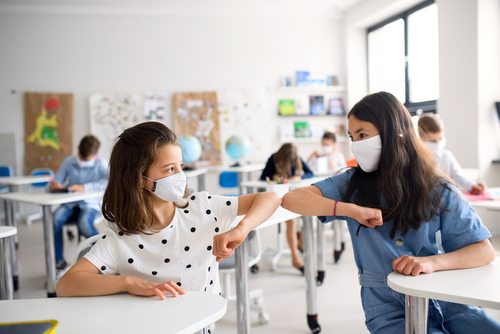 If you’re anxious about sending your children back to school, you’re not alone. In fact, a recent poll from
  The impact of COVID-19 has caused many Americans to suffer hardships, one of which is struggling to make ends meet. But take heart; there are solutions. Here are a few areas in which creditors are working with people to alleviate some of the stress.
 Even though unemployment is still relatively high, there are still some great part-time jobs you can do that will help cover basic expenses. Here’s a list of the industries that are hiring right now:
 Due to the unprecedented effects of COVID-19, the line between our professional and personal lives has blurred. Trying to take care of job responsibilities from home requires new ways of navigating. Here are a few ideas to help you become more productive while working at home – and stay grounded in these uncertain times.